
Succulent Maintenance

Rostachys (Summer Type) 🌵

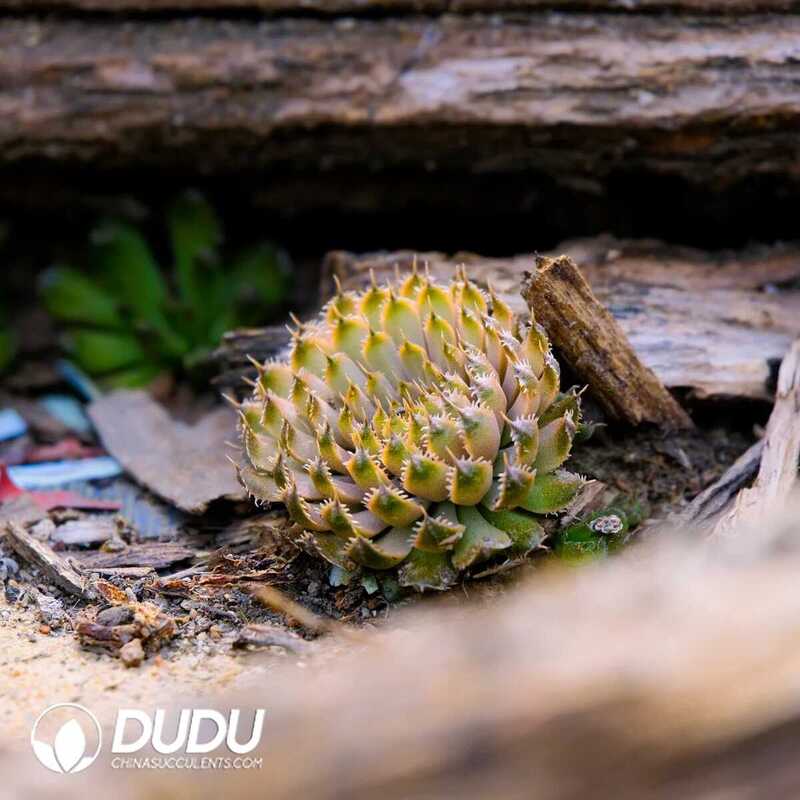
Rostachys are distinctive, drought-adapted succulents known for their sculptural forms and seasonal color shifts. As summer-active plants, they thrive under intense light, excellent airflow, and a disciplined watering regimen that emphasizes perfect drainage and complete soil dry-down.
📊 Botanical Profile

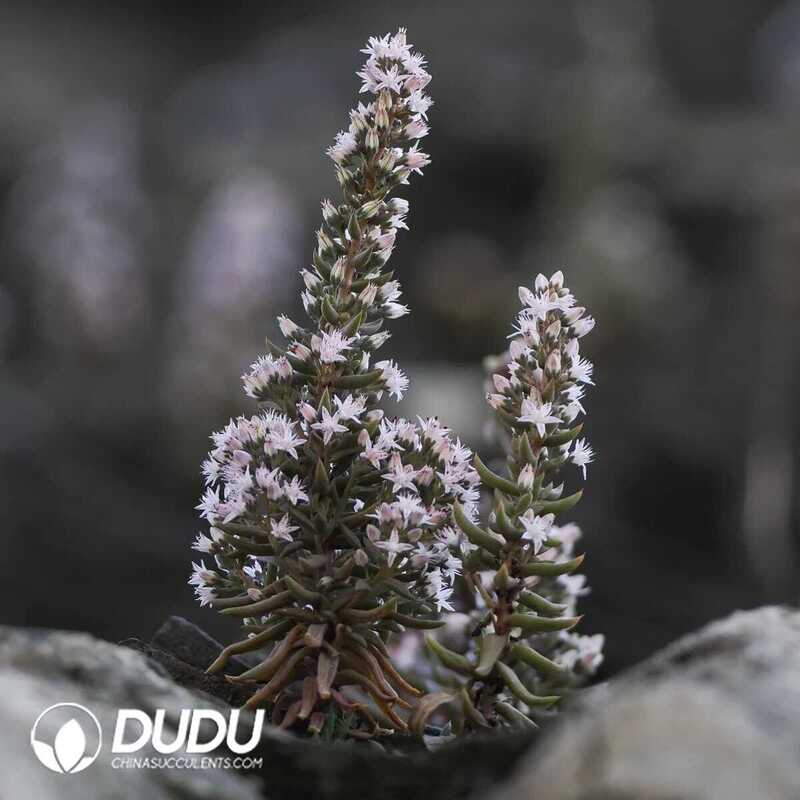
  • Key Trait: Characterized by dense, often geometric rosettes and water-retentive foliage that may show attractive stress colors under strong light.

  • Habitat: Native to arid, well-draining environments such as rocky slopes and mineral-rich plains.

  • Note: Forms can vary; precise labeling helps maintain clarity in collections, especially for similar-looking species and hybrids.


☀️ Light & Temperature

  • Ideal Light (Indoor): PPFD 150–400 (≈ 12–35k lux).

  • Ideal Light (Acclimated Outdoor): PPFD 300–800 (≈ 25–70k lux).

  • Etiolation Risk: PPFD < 120 for prolonged periods.

  • Sunburn Risk: > 700 PPFD for unacclimated plants.

  • Optimal Range: 15–28°C for best growth.

  • Tolerance: Can briefly tolerate lows of ~5°C (if dry) and highs of ~35°C (with strong airflow).

  • Summer Care: Provide 6–10 hours of bright light with good cross-ventilation. Use shade cloth and increased airflow during extreme heatwaves to prevent stress.


💧 Watering & Substrate

  • Golden Rule: Soak Thoroughly, Then Dry Completely. Always verify 100% dry-down using pot weight or a dry skewer before watering again.

  • Soil Mix: Use a mineral-dominant blend (60–90% pumice/perlite/lava) with 2–6 mm particle size. Target pH 6.0–7.2.

  • Potting: Choose breathable containers (clay is ideal) with large drainage holes. Shallow pots dry faster and reduce rot risk. A top-dressing of grit keeps the plant base dry.


🌿 Fertilization & Growth Rhythm

  • Feeding: Apply a ¼-strength, balanced or low-nitrogen fertilizer only during active summer growth. Avoid feeding in cool, wet, or dormant periods.

  • Growth Cycle: Primary growth occurs in warmer months. Reduce watering frequency significantly during cooler seasons when growth slows.

  • Maintenance: Flush the substrate occasionally to prevent salt accumulation, which can cause leaf tip burn.


✂️ Propagation

  • Cuttings: Take stem or leaf cuttings and allow wounds to callus fully (2–10 days). Place on coarse, barely moist media under gentle light (PPFD 50–120).

  • Seeds: Surface-sow onto sterile, fine mineral substrate. Maintain consistent warmth (18–24°C) for germination.

  • Offsets: Remove cleanly, let cuts dry, and plant shallowly in dry, gritty mix.


⚠️ Troubleshooting

  • 🎨 Faded Colors → Gradually increase light intensity (PPFD) or daily light duration.

  • 📏 Leggy, Open Rosettes → Significantly increase light exposure; reduce nitrogen fertilization; cooler nights can promote compactness.

  • 💧 Soft, Mushy Leaves → Overwatering. Stop all watering immediately, increase airflow, and consider repotting into a drier, faster-draining mineral mix.

  • ⚫ Blackening at Crown/Base → Root or stem rot. Unpot, trim away all rot, let plant dry for 5–7 days, and re-root in dry substrate.

  • 🌸 No Flowering → Ensure a distinct seasonal light variation and provide cooler night temperatures to stimulate bloom cycles.

  • 🪹 Cuttings Not Rooting → Ensure the cutting is fully callused. Keep the rooting media barely moist and maintain warmth (20–24°C).

  • 🔥 Brown Leaf Tips → Likely due to fertilizer salt buildup or heat stress. Flush the soil and provide protection from intense light spikes.

  • 🥬 Pale New Growth → May indicate a micronutrient deficiency. Apply a light supplement of trace elements.


Pro Tip: Success with Rostachys hinges on mimicking their native habitat—plenty of sun, gritty soil, and long, dry intervals between thorough waterings. 🏜️