
Succulent Maintenance

Pachyphytum (Summer Type) ๐Ÿ‡

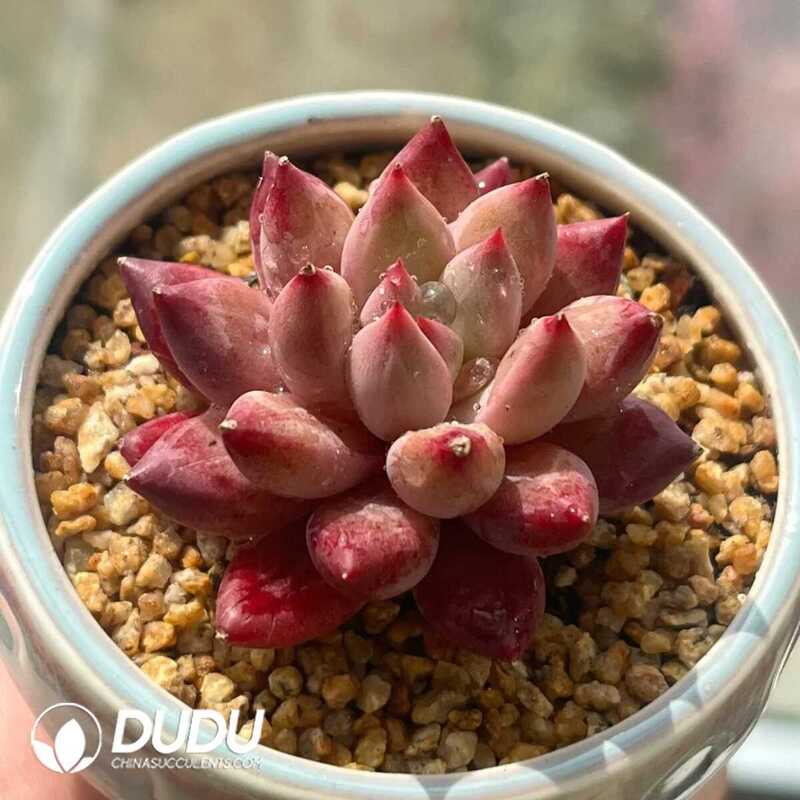
Pachyphytum are prized for their exceptionally chubby, often powdery leaves that store water. They thrive on intense light, perfect drainage, and a cycle of deep watering followed by complete dryness, reaching their best form and color during the warm growing season.
๐Ÿ“Š Botanical Profile

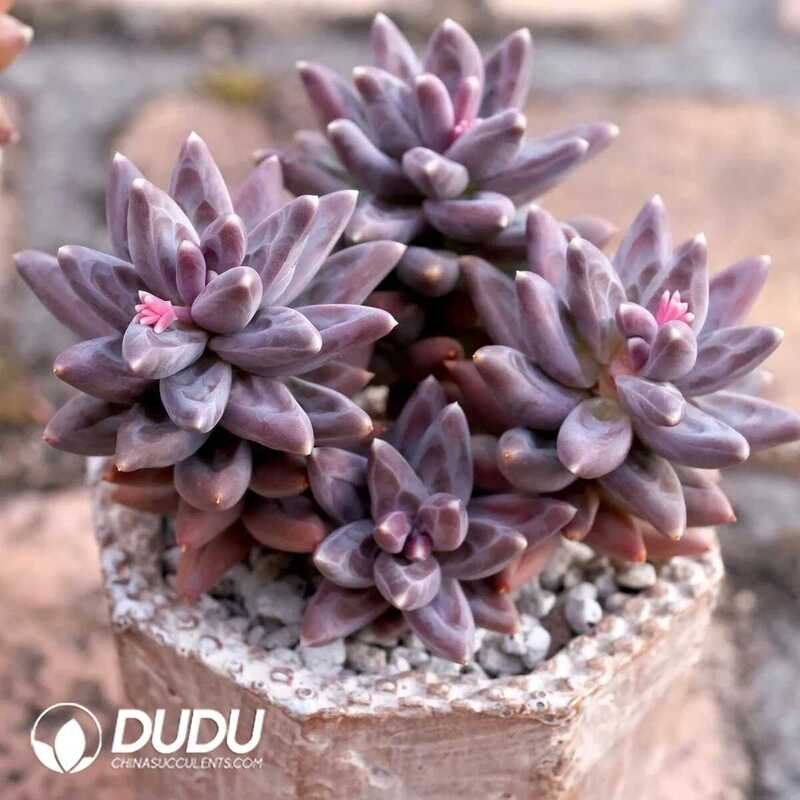
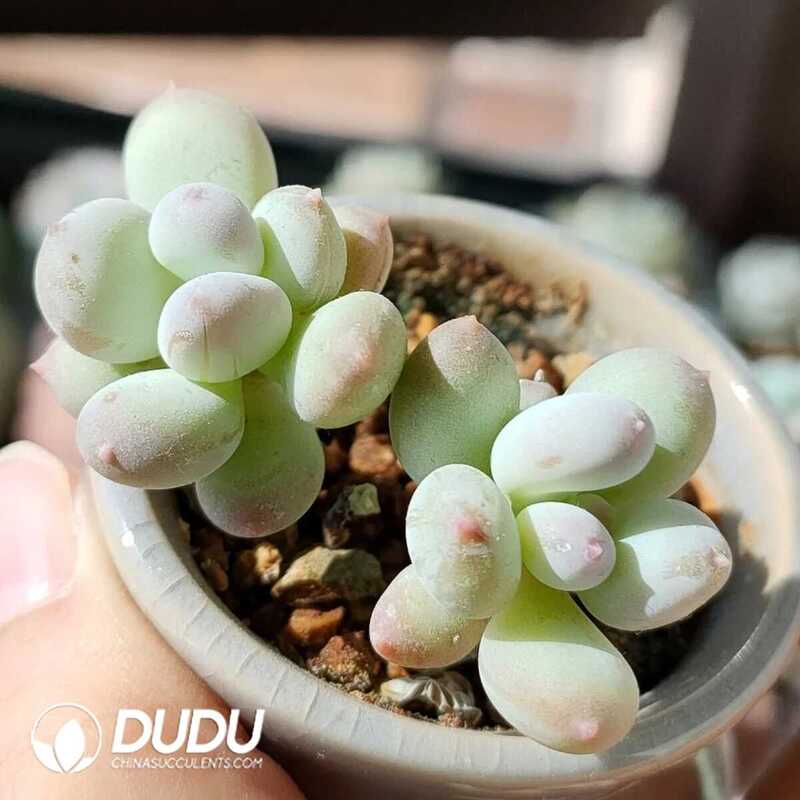
  • Key Trait: Characterized by incredibly thick, rounded leaves (the name means “thick plant”), often covered in a protective farina (bloom).

  • Habitat: Native to rocky, arid Mexican cliffs where drainage is instantaneous.

  • Note: Handle with care to preserve the delicate farina, which contributes to color and sun protection.


โ˜€๏ธ Light & Temperature

  • Ideal Light (Indoor): PPFD 150โ€“400 (โ‰ˆ 12โ€“35k lux).

  • Ideal Light (Acclimated Outdoor): PPFD 400โ€“800 (โ‰ˆ 30โ€“70k lux).

  • Stretching Warning: PPFD < 120 sustained for 2+ weeks.

  • Sunburn Risk: PPFD > 700 on unacclimated plants + stagnant air.

  • Best Growth: 15โ€“28ยฐC.

  • Tolerance: Can briefly withstand 0โ€“5ยฐC (if bone dry) and 35โ€“38ยฐC (with strong airflow).

  • Summer Care: Growth is most active in warmth. Provide 6-10 hours of direct sun with excellent ventilation; use shade cloth during extreme heat waves.


๐Ÿ’ง Watering & Substrate

  • The Golden Rule: Soak & Dry. Water thoroughly only when the substrate is 100% dry. Always verify dryness by pot weight or a wooden skewer.

  • Perfect Soil Mix: 60โ€“90% inorganic grit (pumice, perlite, lava rock) with 2-6mm particle size. pH 6.0โ€“7.2.

  • Pot Choice: Breathable terracotta is ideal. Ensure large drainage holes. A top dressing of gravel helps keep the sensitive leaf bases dry.


๐ŸŒฟ Fertilization & Growth Rhythm

  • Feeding: Apply a ยผ-strength, balanced or low-nitrogen fertilizer only during active summer growth. Never fertilize a dormant, cool, or wet plant.

  • Growth Cycle: Primary growth occurs in warm months. Reduce watering significantly during cooler periods when growth slows.

  • Maintenance: Flush the mineral substrate occasionally to prevent fertilizer salt buildup, which can cause brown leaf tips.


โœ‚๏ธ Propagation

  • Leaf Cuttings (Easiest): Gently twist a healthy leaf, allow it to callus for 1-2 weeks, then place on dry, gritty mix. Water only after roots appear.

  • Stem Cuttings: Cut, callus, and plant in coarse, barely-moist substrate under bright, indirect light.

  • Seeds: Surface-sow on sterile, fine mineral soil. Keep lightly covered and maintain consistent warmth (18โ€“24ยฐC).


โš ๏ธ Troubleshooting Quick List

  • ๐Ÿ˜ Faded Colors / Loss of Farina โ†’ Gradually increase light intensity. The powdery coating enhances with brighter light.

  • ๐Ÿ“ Leggy, Spaced-Out Growth โ†’ Immediate need for more light. Reduce nitrogen feeding and ensure cooler nights to compact growth.

  • ๐Ÿ’ฆ Soft, Translucent Leaves โ†’ Overwatering. Stop all water immediately, increase airflow, and consider repotting into a drier, grittier mix.

  • โšซ Black Stem or Crown Rot โ†’ Emergency action required. Unpot, cut away all rot with a sterile tool, let plant dry bare for 5-7 days, then re-root in dry mix.

  • โŒ No Flowering โ†’ Ensure a pronounced seasonal light difference and cooler autumn nights to trigger bloom spikes.

  • ๐Ÿชน Cuttings Fail to Root โ†’ Ensure the cutting is fully callused. Keep the rooting medium only barely moist and provide bottom warmth (20-24ยฐC).

  • ๐Ÿ”ฅ Brown Leaf Tips โ†’ Usually caused by salt accumulation. Flush the pot thoroughly with water and protect from sudden, intense heat.

  • ๐Ÿฅฌ Pale, Weak New Growth โ†’ Sign of micronutrient deficiency. Apply a light supplement of trace elements.


Success Mantra: Maximum light + ultra-fast-draining grit + patient dry periods. Preserve the farina for stunning, dusted-blue or lavender hues. ๐Ÿ’œ