

Opuntioideae (Summer Type) 🌵
Opuntioideae are iconic, drought-adapted cacti known for their segmented pads, formidable spines, and glorious blooms. They thrive under intense light, scorching heat, and a cycle of infrequent, deep watering, reaching their full sculptural and flowering potential with sharp drainage and seasonal neglect.

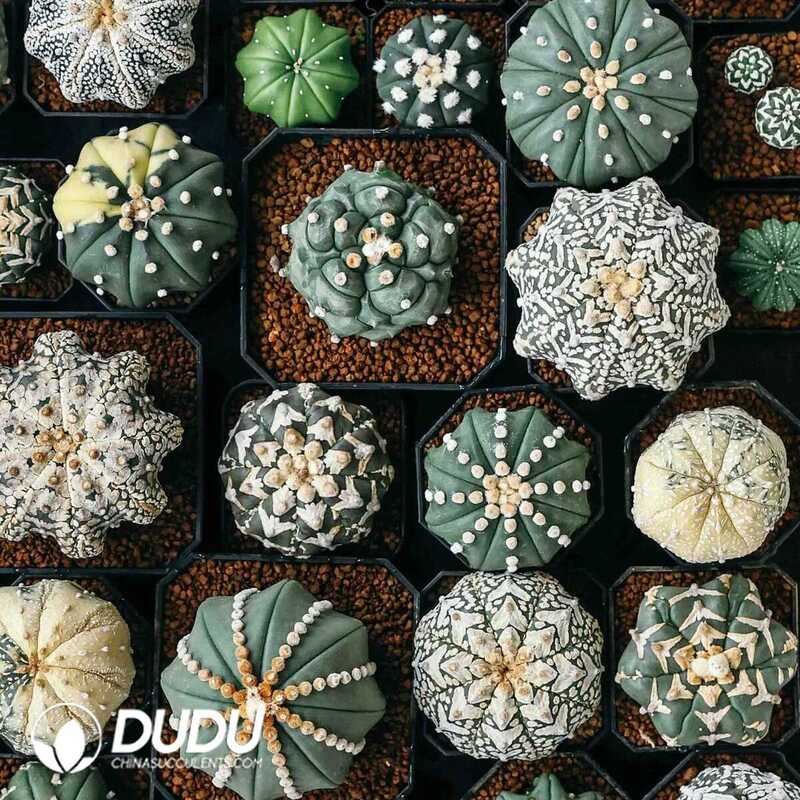
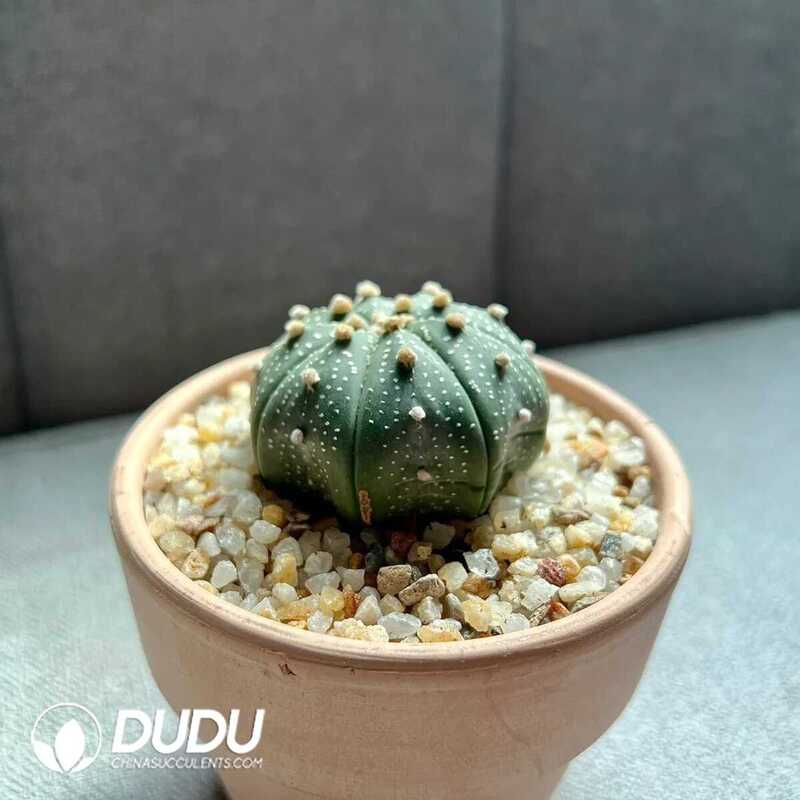
📊 Botanical Profile
-
Key Trait: Characterized by flattened, jointed stems (pads or cladodes), areoles bearing spines and tiny, irritating glochids. Leaves are reduced or ephemeral.
-
Habitat: Native to arid deserts and rocky plains across the Americas, adapted to extreme sun and fast-draining soils.
-
Caution: Handle with care using tongs or thick gloves to avoid contact with spines and glochids.
☀️ Light & Temperature
-
Light Lovers: Require extremely high light. Acclimated plants thrive in PPFD 800–1500 (≈ 60–110k lux).
-
Etiolation Risk: PPFD < 200 for 10+ days causes thin, weak growth.
-
Sunburn Risk: > 1400 PPFD if introduced too quickly.
-
Heat Champions: Optimal growth at 20–35°C. Can tolerate brief extremes up to 45°C with airflow.
-
Cold Tolerance: Brief, dry exposure down to 5-10°C is possible for many species.
-
Care Tip: Provide 10–14 hours of direct sun after acclimation. Offer light midday shade only during intense heatwaves.
💧 Watering & Substrate
-
Golden Rule: Infrequent & Deep. Water only when the entire root zone is bone-dry. Verify with a weight check or moisture probe. Overwatering is the primary killer.
-
Soil Mix: Requires exceptionally fast drainage. Use 70-90% mineral grit (pumice, lava rock, coarse sand) with 3-8 mm particles.
-
Potting: Porous terracotta is ideal. Ensure massive drainage holes. A top-dressing of gravel keeps the base dry.
🌿 Fertilization & Growth Rhythm
-
Feeding: Minimal. Use a ¼-strength, low-nitrogen, higher phosphorus/potassium fertilizer only during active summer growth.
-
Growth Cycle: Active in heat, dormant in cool, short days. Withhold water almost completely during winter dormancy.
-
Maintenance: Flush the substrate annually to prevent harmful salt accumulation.
✂️ Propagation
-
Pad Cuttings (Easiest): Remove a pad, let the cut end callus thoroughly for 1-2 weeks. Plant callused end in dry, gritty mix. Wait weeks before watering.
-
Seeds: Surface-sow on sterile, mineral grit. Requires consistent warmth (20–26°C) and patience.
⚠️ Troubleshooting
-
🎨 Pale, Dull Stems → Needs significantly more light. Increase intensity and duration gradually.
-
📏 Elongated, Thin Growth → Critical light deficiency. Move to brightest possible location.
-
💦 Soft, Mushy, Translucent Pads → Severe overwatering/rot. Stop all water. Excise affected areas, dry for weeks, and re-root.
-
⚫ Black or Brown Rot at Base → Root/stem rot. Unpot, cut away all infected tissue, treat with fungicide, and dry for 7-14 days before attempting to re-root.
-
🌸 No Flowers → Requires high light maturity, a tight root zone, and a distinct cool, dry winter rest to trigger blooming.
-
🪹 Cuttings Fail to Root or Rot → Insufficient callusing or premature watering. Ensure a full, hard callus and keep media dry.
-
🔥 Brown or Scorched Tips → Can be fertilizer salt burn or low humidity scorch. Flush soil and protect from drying winds.
-
🥬 Yellow New Growth → Possible micronutrient deficiency. Apply a light trace element supplement.
Pro Tip: Emulate the desert. Think blazing sun, rocky ground, and rare downpours. Their fierce beauty rewards a hands-off approach. 🏜️