
Succulent Maintenance

Lithops (Winter Type) 🪨

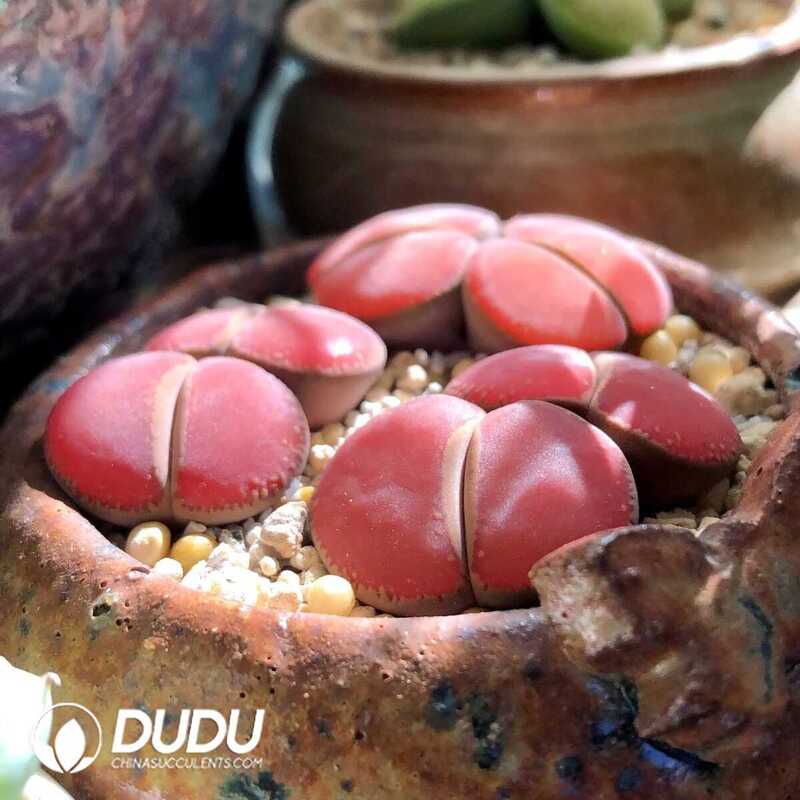
Lithops are fascinating “living stone” succulents, perfectly adapted to blend into their arid surroundings. Their unique charm lies in mimicking pebbles, with a pair of fused, windowed leaves. As winter growers, their survival hinges on a strict, opposite seasonal rhythm: grow in the cool months, rest completely in the summer heat. Master this cycle to avoid the common fate of overwatering.
📊 Botanical Profile

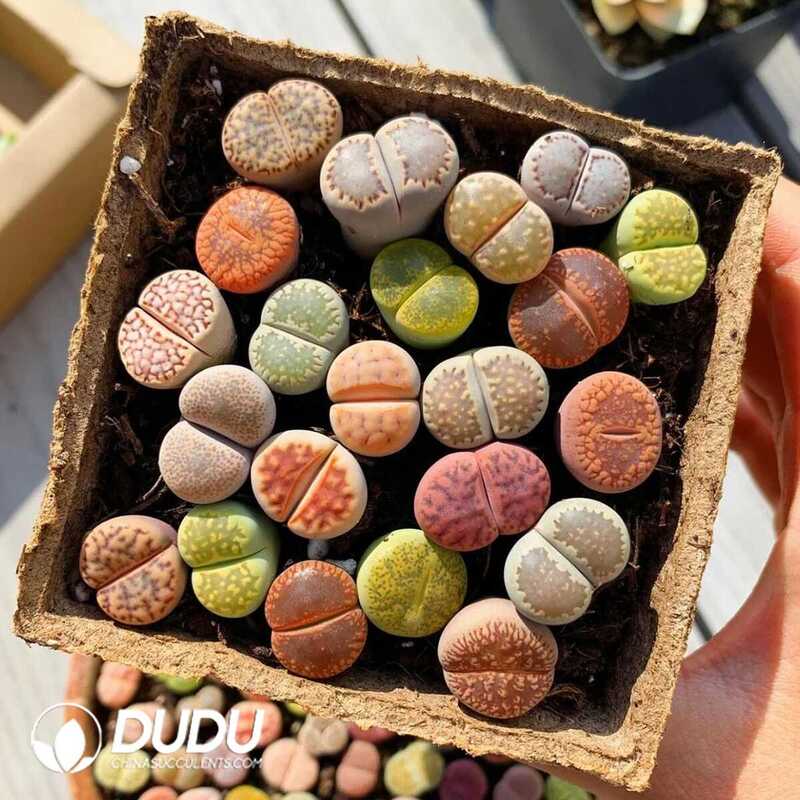
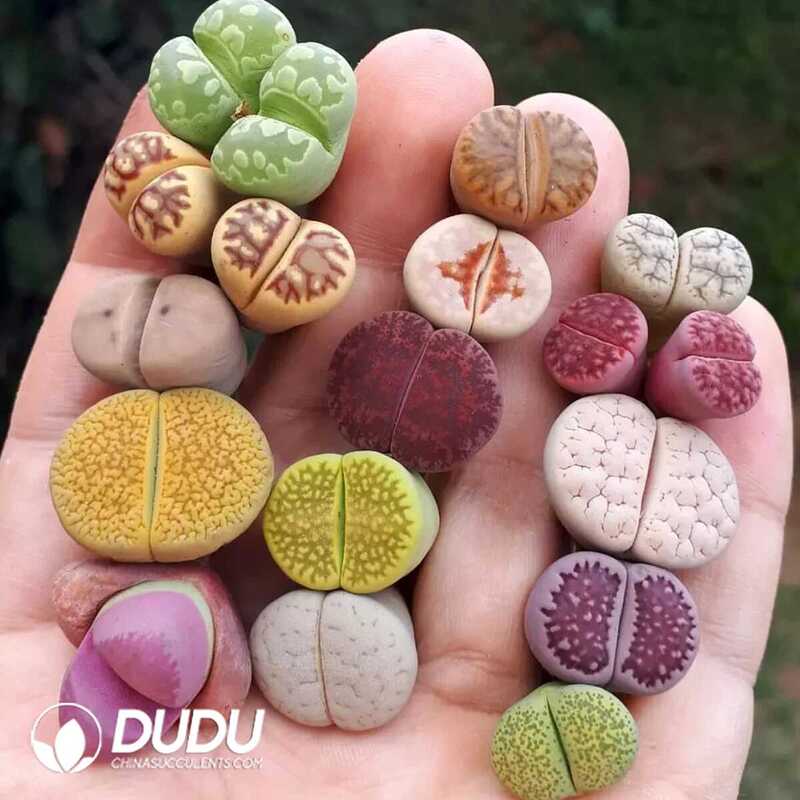
  • Key Trait: Consists of a single, rock-like body formed by two thick, fused leaves with translucent “windows” on top for photosynthesis. Flowers emerge from the fissure.

  • Habitat: Native to the quartz plains and rocky deserts of southern Africa, where they are masters of camouflage.

  • Note: A true mesemb with a highly predictable annual cycle. Never water based on a schedule, only on the plant’s stage and season.


☀️ Light & Temperature

  • Light Needs: Requires very bright light during its active season. Acclimated plants can handle PPFD 500–900 (≈ 40–80k lux).

  • Etiolation Risk: PPFD < 100 leads to tall, unnatural “stretching.”

  • Sunburn Risk: > 800 PPFD if unacclimated or if leaf temperature exceeds 42°C.

  • The Seasonal Rhythm (Non-negotiable):

    • Active Growth (Autumn to Spring): Thrives in cool temperatures (10–25°C). Provide maximum light.

    • Summer Dormancy: Growth halts. Keep in a hot, bright, dry, and well-ventilated location. No water.


💧 Watering & Substrate (The MOST Critical Part)

  • The Golden Rule: Water ONLY in Season. Ignoring this kills Lithops.

  • Seasonal Watering Guide:

    • Spring: STOP WATERING as the old leaves begin to shrivel and the new inner pair develops. The new plant feeds off the old leaves.

    • Summer: ABSOLUTELY NO WATER.

    • Autumn: Resume watering only after the old leaves have fully dried into a papery sheath and flowers have finished. Soak only when the body shows slight side wrinkles.

    • Winter: Water very sparingly, only if the plant seriously wrinkles. Often, none is needed.

  • Soil Mix: Must be extremely fast-draining. Use 80-90% inorganic grit (pumice, perlite, coarse sand).

  • Potting: Plant in deep pots (for their taproot) with excellent drainage. A top-dressing of small gravel is essential.


🌿 Fertilization & Growth Rhythm

  • Feeding: Rarely needed. If required, a single, extremely diluted low-nitrogen fertilizer at the start of the autumn growth period is enough.

  • Growth Cycle: Your calendar for care.

    • Flowering & New Growth (Autumn)

    • Maturation (Winter)

    • “Splitting” & Water Withdrawal (Spring)

    • Dry Dormancy (Summer)


✂️ Propagation

  • Seeds (Primary Method): Sow in autumn. Surface-sow on sterile, gritty mix. Requires patience, consistent mild moisture, and good light.

  • Division: Not typically applicable, as they are usually solitary. Clumping species can be divided very carefully, but it’s risky.


⚠️ Troubleshooting

  • 🎨 Dull Color, No Windows → Needs more light during its active season.

  • 📏 Tall, Stretched Body → Severe, chronic light deprivation.

  • 💦 Translucent, Mushy, or Burst Body → Fatal overwatering. Usually occurs from summer watering or watering during the spring split.

  • ⚫ Rotting, Disintegrating Plant → Advanced rot from moisture. Unpot immediately. Recovery is rare.

  • 🌸 No Flowers → Plant may be too young, or it didn’t receive enough light during the previous growth season or a proper dry summer rest.

  • 🪹 Old Leaves Not Drying/New Pair Not Emerging → Caused by untimely watering in spring. Do not pull the old leaves off. Be patient.

  • 🔥 Scorched, Sunken Top → Sunburn from sudden, intense exposure.

  • 🥬 Stunted Growth → Possibly needs repotting into fresh, mineral-rich soil or a minimal nutrient boost at the right time.


Pro Tip: When in doubt, don’t water. Their greatest threat is kindness. A perfectly timed dry period is more valuable than an untimely drink. Success is measured in years, not months. ✨