

Crassula (Summer Type) 🌿
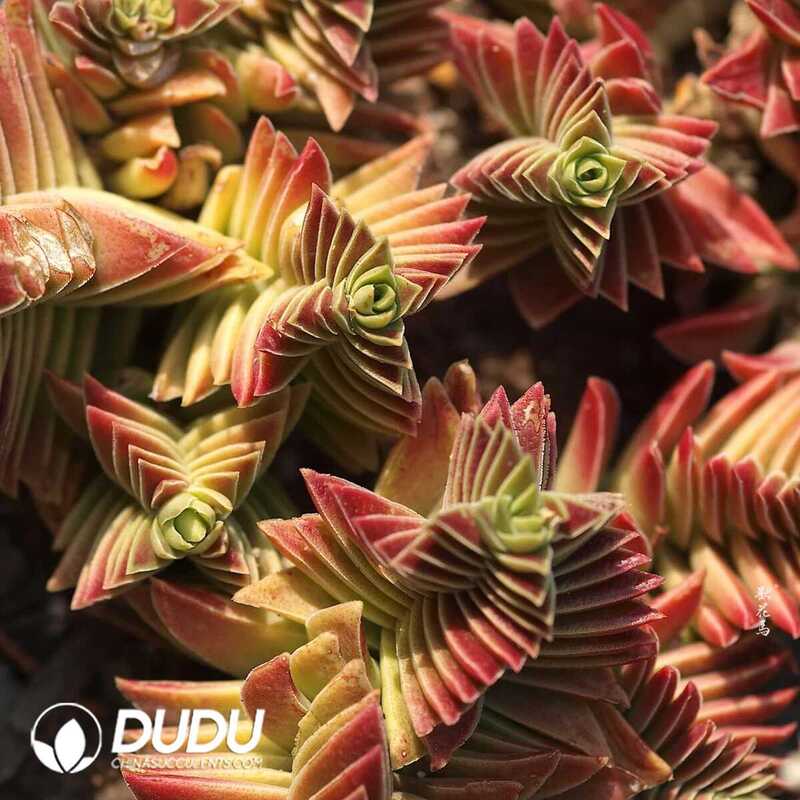
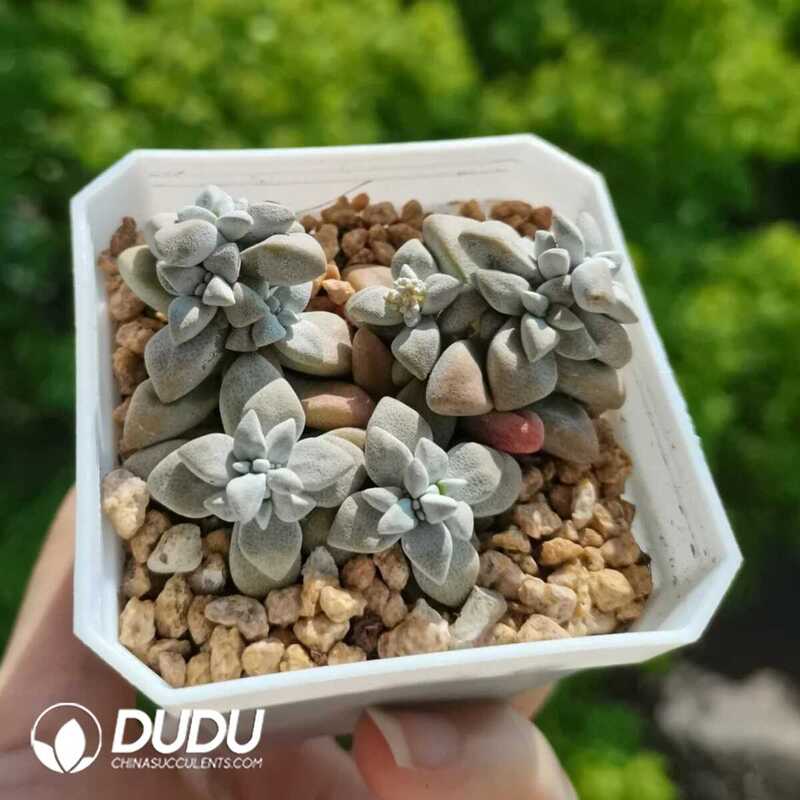
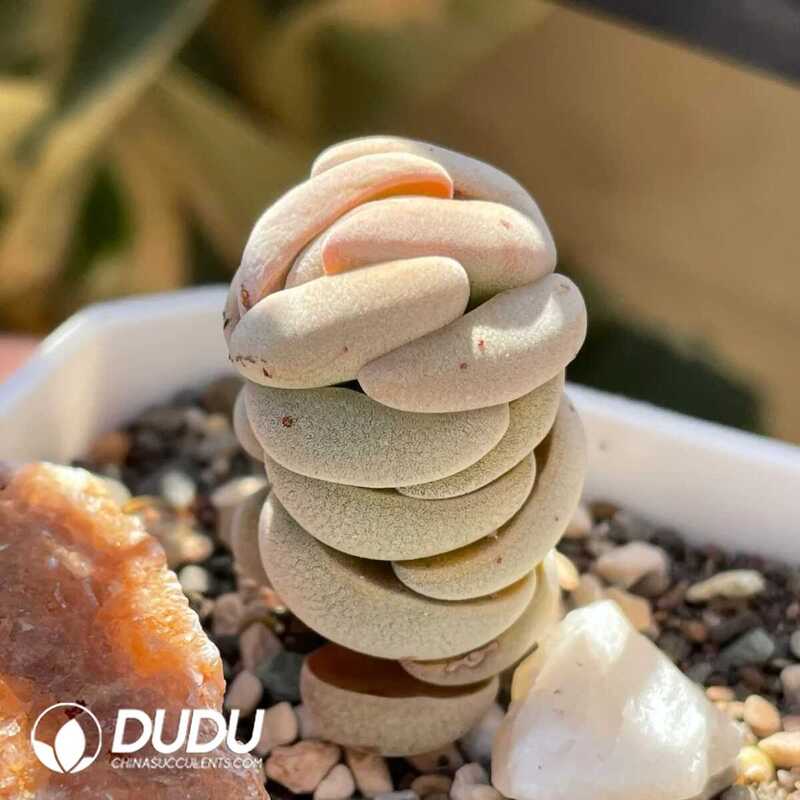
Crassula is a diverse and architecturally striking genus, ranging from stacked “jade” plants to geometric rosettes. As summer growers, they thrive with strong light, perfect drainage, and a disciplined soak-and-dry routine, putting on their most vigorous growth during warmer months.
📊 Botanical Profile
-
Key Traits: Often shrub-like or forming structured rosettes. Leaves are characteristically thick, opposite, and highly water-retentive. Many develop woody stems over time.
-
Habitat: Native to arid and semi-arid regions, often found in rocky, well-draining soils.
-
Note: Includes classic houseplants like the Jade Tree (C. ovata). Growth form varies widely—from ground covers to small trees.
☀️ Light & Temperature
-
Ideal Light (Indoor): PPFD 150–400 (≈ 12–35k lux).
-
Ideal Light (Acclimated Outdoor): PPFD 400–800 (≈ 30–70k lux).
-
Stretching Warning: PPFD < 120 sustained for 2+ weeks.
-
Sunburn Risk: PPFD > 700 on unacclimated plants + stagnant air.
-
Best Growth: 15–28°C.
-
Tolerance: Can handle brief dips to 0–5°C if absolutely dry. Tolerates heat up to 35–38°C with excellent airflow.
-
Summer Rhythm: Growth is most active in warmth. Provide 6-10 hours of bright light with good ventilation. Use shading during extreme heatwaves.
💧 Watering & Substrate
-
The Golden Rule: Soak & Dry Completely. Water thoroughly, then allow the substrate to dry 100% before even considering more water. Verify with a weight check or dry skewer.
-
Perfect Soil Mix: 60–90% inorganic grit (pumice, perlite, lava rock) with 2-6mm particle size. pH 6.0–7.2 is ideal.
-
Pot Choice: Breathable terracotta is excellent for moisture control. Ensure pots have large drainage holes. A top dressing helps keep stems dry.
🌿 Fertilization & Growth Rhythm
-
Feeding: Use a ¼-strength balanced or low-nitrogen fertilizer only during active summer growth. Never feed a dormant or cool/moist plant.
-
Growth Cycle: Primary growth occurs in warm seasons. Watering should be reduced significantly during cooler winter months when growth slows or stops.
-
Maintenance: Flush the soil occasionally to prevent fertilizer salt buildup, which shows as unsightly brown leaf tips.
✂️ Propagation
-
Extremely Easy from Cuttings: Stem cuttings are most reliable. Allow cuts to callus for several days to a week, then plant in dry, gritty mix. Wait to water until roots form.
-
Leaf Propagation: Many species propagate from single leaves. Let them callus fully before placing on dry medium.
-
Seeds: Surface-sow on sterile, well-draining mix. Keep lightly covered and maintain consistent warmth (18–24°C).
⚠️ Troubleshooting Quick List
-
😐 Faded, All-Green Leaves → Needs more light. Gradually increase exposure to encourage compact form and stress colors.
-
📏 Leggy, Weak Growth → Critical light deficiency. Move to a much brighter location immediately and reduce nitrogen.
-
💦 Soft, Wrinkled, Dropping Leaves → Overwatering. Stop all water immediately. Check roots for rot. Increase airflow and repot into dry, gritty mix if needed.
-
⚫ Black or Brown Mushy Stems → Stem rot. Act fast. Cut well above the rot with a sterile tool. Let the cutting dry for 5-7 days, then re-root.
-
❌ No Flowers → Many Crassula need maturity, a tight root zone, and exposure to cooler, drier autumn periods to trigger blooming.
-
🪹 Cuttings Not Rooting → Likely watered too soon. Ensure full callusing and keep the medium barely moist, not wet.
-
🔥 Brown Leaf Tips/Edges → Usually fertilizer salt burn or low-humidity scorch. Flush the soil and protect from harsh, dry heat.
-
🥬 Pale or Yellowing New Growth → Can indicate micronutrient deficiency. Apply a light, balanced trace element supplement.
Success Mantra: Bright light + gritty, lean soil + disciplined drying periods. Their robust nature rewards patience and strong growing conditions. 🌞