

Conophytum (Summer Type) 🪨
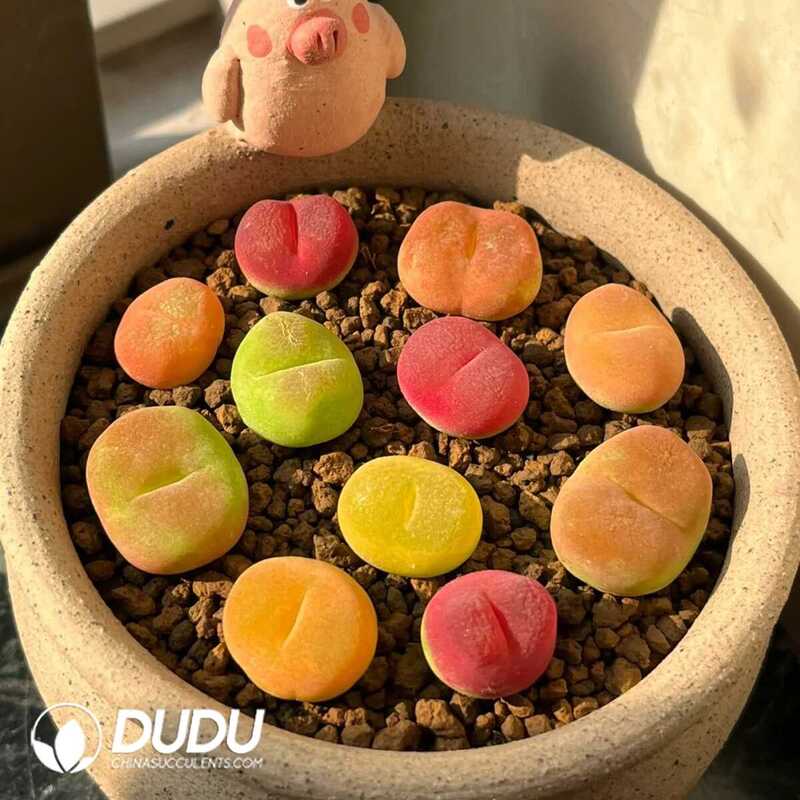
Conophytum are enchanting, miniature “living stone” succulents prized for their diverse forms and surprising blooms. As summer-dormant mesembs, they thrive on a strict seasonal cycle: active growth in cool months and a completely dry, dormant rest during summer heat. Success requires mimicking their native arid rhythm.
📊 Botanical Profile
-
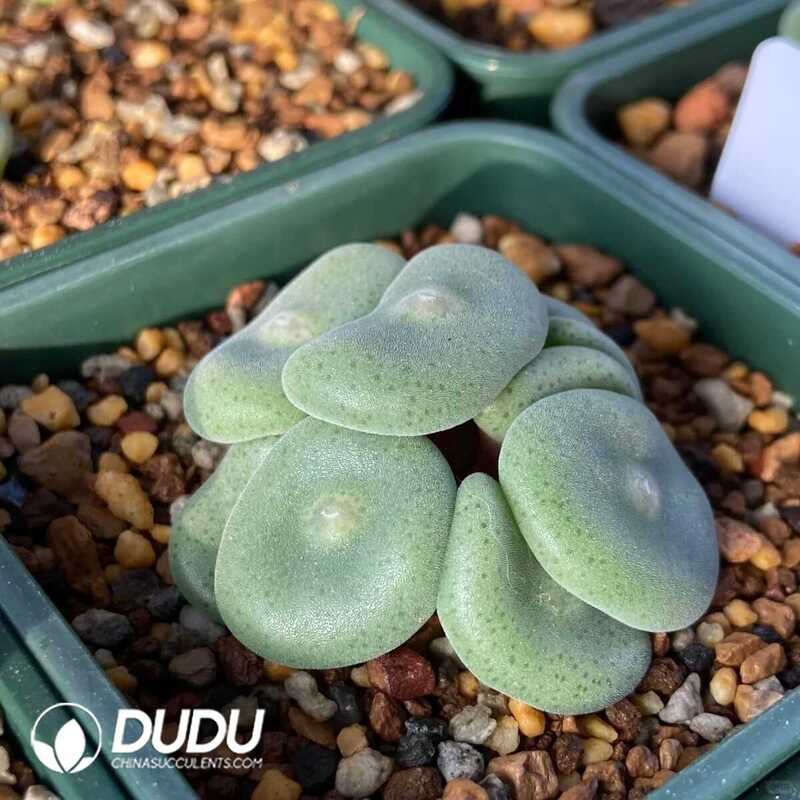
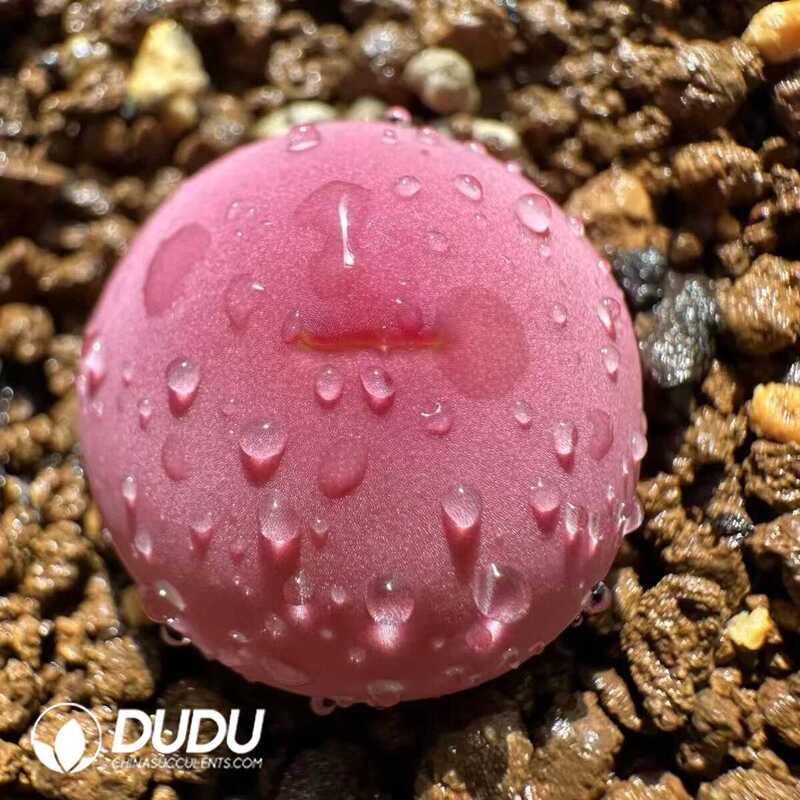
Key Trait: Forms small, paired, fused leaf bodies that resemble pebbles, cones, or buttons. New leaves emerge from a fissure between the old ones.
-
Habitat: Native to quartz and shale plains of South Africa and Namibia, where they blend into the rocky landscape.
-
Note: A collector’s favorite for their variety and autumn flowers. Handle minimally as they resent disturbance.
☀️ Light & Temperature
-
Light (Active Season): Prefers bright, indirect to direct light. Acclimated plants can handle PPFD 500–900 (≈ 40–80k lux) in autumn/winter.
-
Etiolation Risk: PPFD < 100 for extended periods causes tall, weak growth.
-
Sunburn Risk: Leaf temperature > 42°C or sudden exposure to > 800 PPFD.
-
Seasonal Cycle is Crucial:
-
Active Growth (Autumn to Spring): Thrives in cool conditions, 10–25°C. Provide good light.
-
Summer Dormancy: Growth stops. Keep hot, dry, and shaded with maximum airflow. No water.
-
-
Care Tip: Provide gentle morning sun in growth season. In summer, provide bright shade and excellent ventilation.
💧 Watering & Substrate (The Seasonal Key)
-
The Golden Rule: Water ONLY in Cool Months.
-
Water when slightly wrinkled in Autumn/Spring. Soak thoroughly, then ensure 100% dry-out before next water.
-
Winter: Reduce watering frequency.
-
Summer (Dormancy): ABSOLUTELY NO WATER. The old leaves will dry into a protective sheath.
-
-
Soil Mix: Requires extremely fast-draining, poor soil. Use 80-90% inorganic grit (pumice, coarse sand).
-
Potting: Use shallow, wide pots. Terracotta is ideal for breathability. A top-dressing of fine gravel is essential.
🌿 Fertilization & Growth Rhythm
-
Feeding: Extremely minimal. A single, very dilute low-nitrogen fertilizer at the start of the autumn growth period is sufficient. Never feed in summer.
-
Growth Rhythm: This dictates all care.
-
Autumn: New growth begins, flowers may appear. Commence careful watering.
-
Winter: Slow growth. Water sparingly.
-
Spring: Active growth to prepare for dormancy. Gradually reduce watering.
-
Summer: Complete rest. No water, no fertilizer.
-
✂️ Propagation
-
Seeds (Primary Method): Sow in autumn. Surface-sow on sterile, gritty mix. Requires patience and careful moisture management.
-
Division: Large, multi-headed clumps can be very carefully divided at the beginning of the growth season. High risk of failure.
-
Cuttings: Not practical due to their growth form.
⚠️ Troubleshooting
-
🎨 Faded Color, No Flowers → Needs more light during its active growing season (autumn/spring).
-
📏 Stretched, Tall Body → Severe lack of light. Move to a brighter location during growth period.
-
💦 Translucent, Mushy, or Burst Body → Overwatering, especially during dormancy. Usually fatal. Stop all water immediately.
-
⚫ Black or Red Rot at Base → Fatal rot from moisture. Unpot to assess. Recovery is unlikely if rot is advanced.
-
🌸 Failure to Bloom → Needs sufficient age, correct seasonal cycle, and strong light during its growth phase.
-
🪹 Failure to Shed Old Sheath → Often caused by incorrect watering (too much in spring/summer). Do not force it off.
-
🔥 Scorched or Sunken Patches → Sunburn from unacclimated exposure or water droplets on skin.
-
🥬 New Growth Stunted or Pale → Possibly needs a minimal nutrient boost at the very start of the growth cycle.
Pro Tip: Less is more. Their charm lies in their miniature, stone-like form. Perfect drainage, bright light in season, and total summer drought are non-negotiable for a happy plant. 💎