

Agave (Summer Type)
Agave are architectural, drought-adapted succulents famed for their dramatic rosettes and formidable leaf tips. They thrive on intense light, perfect drainage, and sparse watering, developing their most striking form and color when grown hard. Most are monocarpic, flowering once spectacularly after many years.
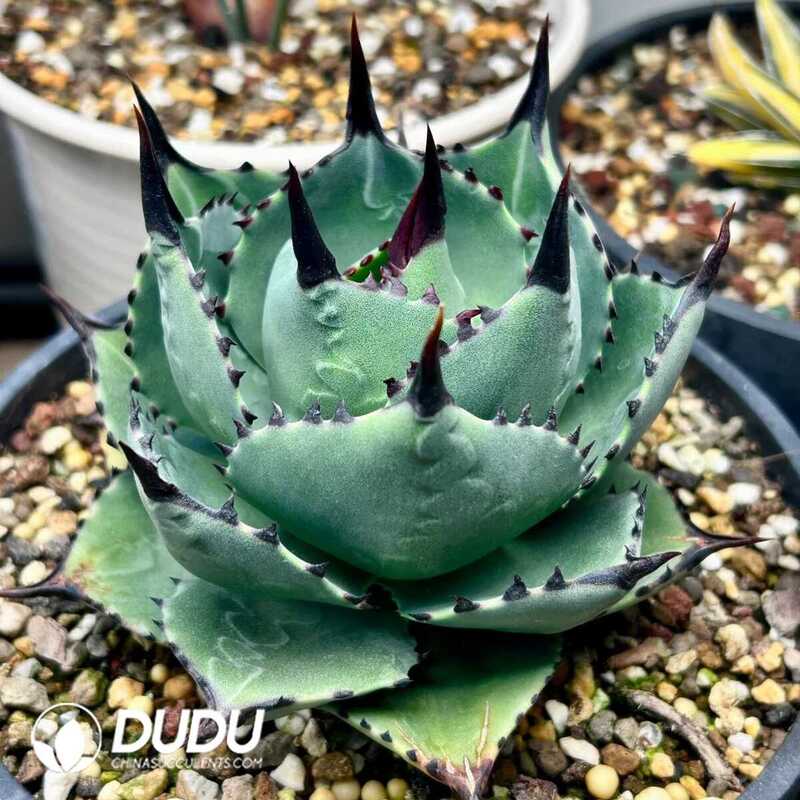
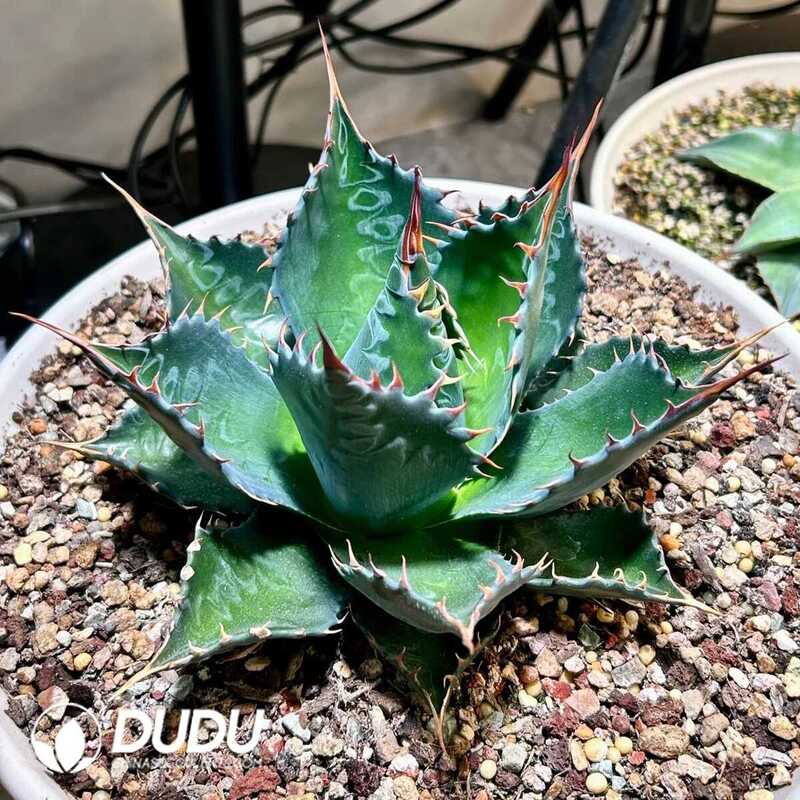
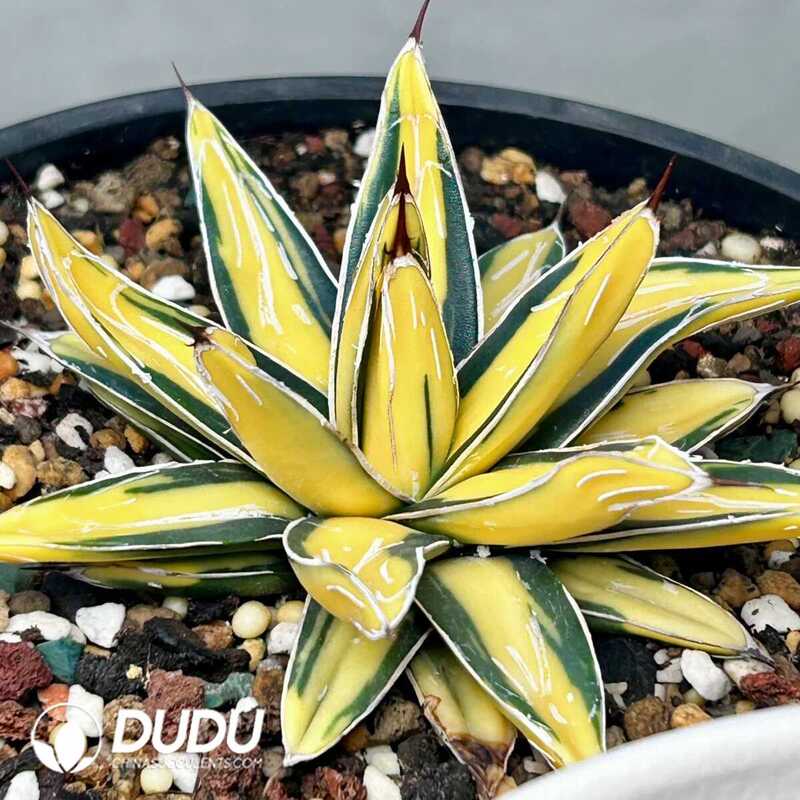
📊 Botanical Profile
-
Key Trait: Forms large, symmetrical rosettes of thick, fleshy leaves, often ending in a sharp terminal spine and lined with marginal teeth.
-
Habitat: Native to arid and semi-arid regions of the Americas, from desert floors to rocky highlands.
-
Note: Known as the “century plant.” Handle with care due to sharp spines. Growth is slow but steady in the right conditions.
☀️ Light & Temperature
-
Light Lovers: Require very high light. Acclimated plants thrive in PPFD 600–1200 (≈ 50–90k lux).
-
Etiolation Risk: PPFD < 150 for extended periods causes weak, open growth.
-
Sunburn Risk: > 1000 PPFD if introduced too rapidly.
-
Heat Tolerant: Optimal growth at 18–32°C. Can tolerate brief highs up to 40°C.
-
Cold Tolerance: Many species can withstand brief, dry frosts down to 0-5°C.
-
Care Tip: Provide 8–12 hours of direct sun. Ensure excellent air circulation to prevent crown rot.
💧 Watering & Substrate
-
Golden Rule: Deep but Infrequent. Water only when the substrate is completely dry throughout. Verify with a weight check or skewer. Extremely drought-tolerant.
-
Soil Mix: Requires fast-draining, gritty mix. Use 60-90% mineral grit (pumice, lava rock, coarse sand).
-
Potting: Sturdy, breathable pots (terracotta is excellent) with large drainage holes are essential. A top-dressing of gravel helps keep the stem dry.
🌿 Fertilization & Growth Rhythm
-
Feeding: Minimal. Use a ¼-strength, low-nitrogen fertilizer only during active summer growth.
-
Growth Cycle: Steadily grows in warm seasons. Reduce watering significantly during cool winter months.
-
Maintenance: Flush the substrate occasionally to prevent salt buildup, which can cause unsightly leaf tip burn.
✂️ Propagation
-
Offsets/Pups (Primary Method): Mature plants produce clones at their base. Detach cleanly, allow cuts to callus for a week, and plant in dry, gritty mix.
-
Seeds: Surface-sow on sterile, well-draining mix. Requires patience, as growth from seed is slow.
-
Bulbils: Some species produce plantlets on the flower stalk.
⚠️ Troubleshooting
-
🎨 Faded, Washed-Out Leaf Color → Needs more light. Gradually increase exposure to intensify blues, greens, and variegation.
-
📏 Loose, Open Rosette (Etiolation) → Critical light deficiency. Relocate to a much brighter spot immediately.
-
💦 Soft, Mushy Base or Leaves → Overwatering/Rot. Stop all water. Excise affected areas, dry thoroughly, and repot in dry mix. Often fatal if extensive.
-
⚫ Black or Dark Brown Rot at Crown → Crown rot. Unpot, cut away all infected tissue, treat with fungicide, and dry for 1-2 weeks before re-rooting.
-
🌸 No Flowers → Agaves flower only at maturity, which can take years or decades. It is a natural, singular life-cycle event.
-
🪹 Pups/Cuttings Fail to Root → Insufficient callusing or premature watering. Ensure a full callus and keep the medium dry until roots initiate.
-
🔥 Brown, Dry Leaf Tips → Common from physical damage, low humidity, or salt buildup. Flush soil and trim carefully if desired.
-
🥬 Pale or Yellowish New Growth → Possible nutrient deficiency. Apply a very light, balanced feed during the growing season.
Pro Tip: Plant for the long term. Provide space, maximum sun, and neglectful watering. Their majestic form is a reward for patience. ⏳