
Succulent Maintenance

Adromischus (Spring & Autumn Type) 🍃

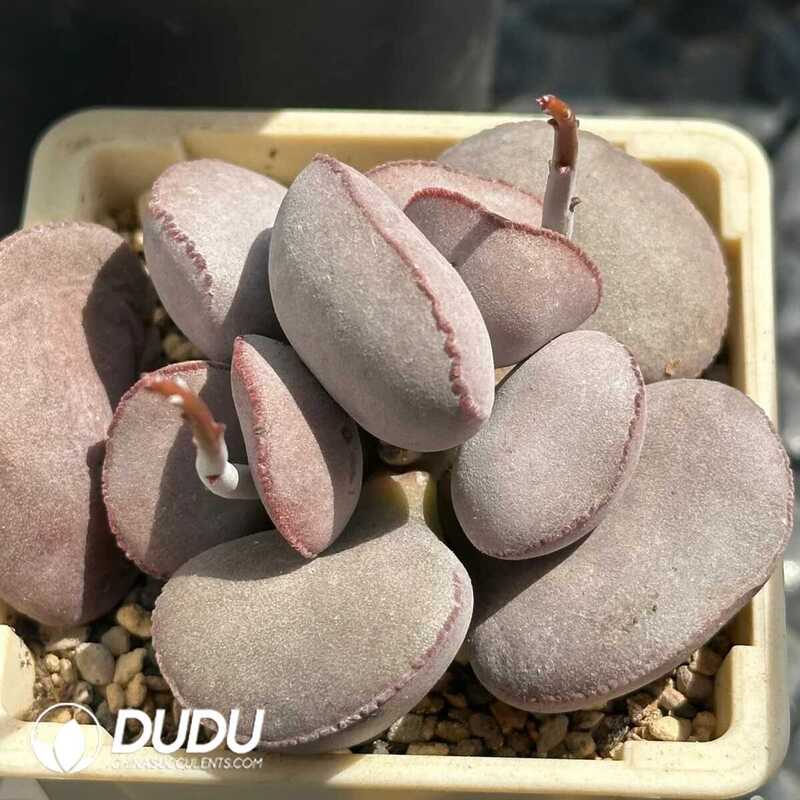
Adromischus are charming, compact succulents prized for their uniquely shaped, often speckled or textured leaves. They thrive with bright light, superb airflow, and a strict cycle of thorough watering followed by complete dryness, showing their best growth and color during the mild seasons of spring and autumn.
📊 Botanical Profile

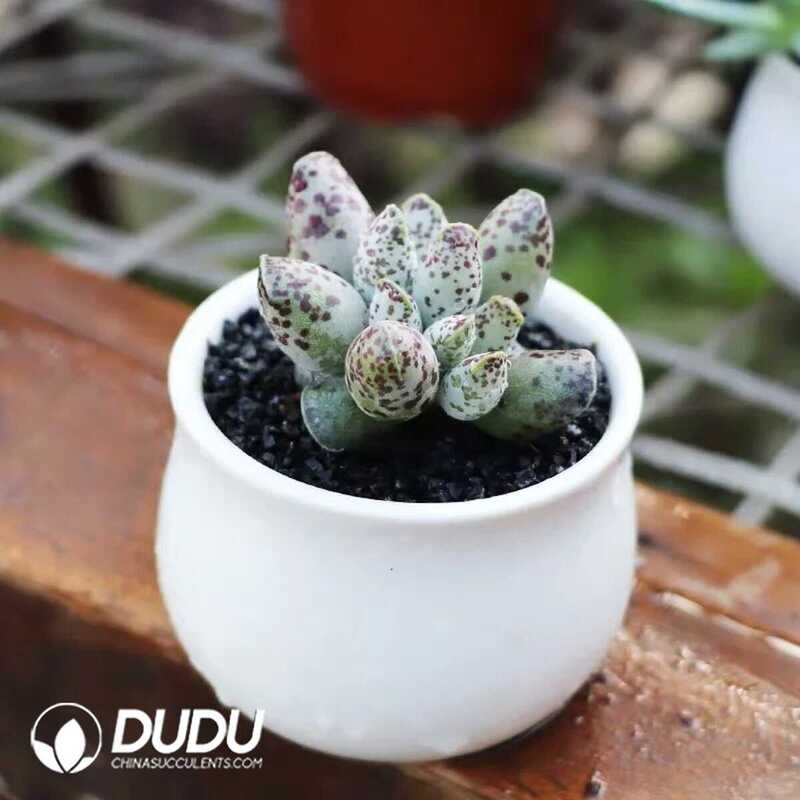
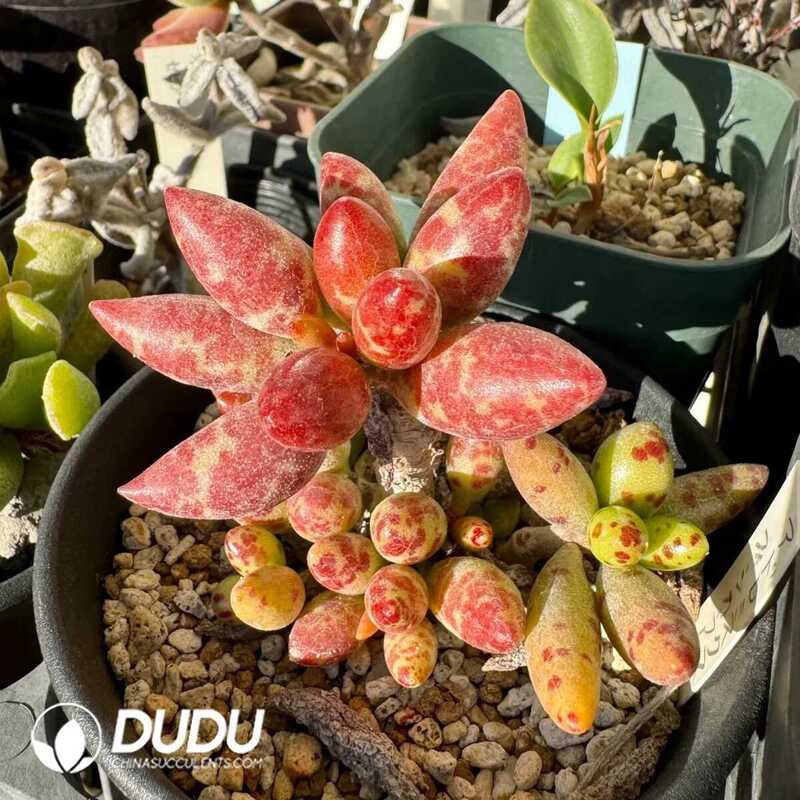
  • Key Trait: Renowned for their thick, often triangular or rounded leaves which can display beautiful patterns, spots (maculation), or warty textures.

  • Habitat: Native to rocky outcrops and shallow, well-draining soils in arid regions.

  • Note: Many species have a delicate, velvety farina (epicuticular wax) on their leaves—handle with care to preserve this protective coating.


☀️ Light & Temperature

  • Ideal Light (Indoor): PPFD 150–400 (≈ 12–35k lux).

  • Ideal Light (Acclimated Outdoor): PPFD 400–800 (≈ 30–70k lux).

  • Stretching Warning: PPFD < 120 sustained for 2+ weeks.

  • Sunburn Risk: PPFD > 700 on unacclimated plants + stagnant air.

  • Best Growth: 15–28°C.

  • Tolerance: Can briefly withstand 0–5°C if completely dry. Tolerates heat up to 35–38°C with strong airflow.

  • Seasonal Care: Provide 6-10 hours of bright, indirect to direct light with excellent ventilation. Shield from intense midday summer sun to preserve leaf color and texture.


💧 Watering & Substrate

  • The Golden Rule: Soak & Dry Completely. Water thoroughly only when the substrate is 100% dry. Always verify with a weight check or dry skewer—these plants are very prone to rot from excess moisture.

  • Perfect Soil Mix: Requires exceptionally fast drainage. Use 70–90% inorganic grit (pumice, perlite, lava rock) with 2-6mm particle size. pH 6.0–7.2.

  • Pot Choice: Shallow, breathable terracotta pots are ideal. Ensure large drainage holes. A mineral top dressing helps keep the sensitive leaf bases dry.


🌿 Fertilization & Growth Rhythm

  • Feeding: Apply a ¼-strength balanced or low-nitrogen fertilizer only during active growth in spring and autumn. Avoid feeding in summer heat and winter cold.

  • Growth Cycle: Primarily active in mild temperatures. Reduce watering significantly during temperature extremes when growth naturally slows.

  • Maintenance: Flush the soil occasionally to prevent salt buildup, which can damage the delicate roots and leaves.


✂️ Propagation

  • Leaf Cuttings (Primary Method): Gently twist a healthy leaf for a clean break. Allow to callus for 1-2 weeks, then place on dry gritty mix. Water only after tiny plantlets and roots appear.

  • Stem Cuttings: Less common but possible. Follow the same callus-then-dry-plant method.

  • Seeds: Surface-sow on sterile, well-draining mix. Requires patience and consistent, gentle warmth (18–24°C).


⚠️ Troubleshooting Quick List

  • 😐 Loss of Leaf Patterns/Color → Increase light exposure gradually. Vibrant markings often depend on adequate light.

  • 📏 Leggy, Elongated Growth → Needs much more light immediately. Provides stronger illumination.

  • 💦 Leaves Soft, Translucent, Dropping → Classic overwatering. Stop all water. Increase airflow. May require unpotting to check for root rot.

  • ⚫ Black, Mushy Stem or Base → Severe rot. Unpot immediately. Cut well above rot with a sterile tool. Let the plant dry bare for at least a week before attempting to re-root.

  • ❌ No Flowers → Mature plants need a distinct period of cool, dry rest in winter, followed by bright light in spring to encourage blooming.

  • 🪹 Leaf Cuttings Shrivel & Die → Usually caused by watering before roots form or insufficient callusing. Keep the medium dry until roots are established.

  • 🔥 Brown, Crispy Leaf Edges → Can be from fertilizer salt burn, sunburn, or very low humidity. Flush soil and provide filtered light.

  • 🥬 Pale, Stunted New Growth → May indicate nutrient deficiency. Apply a very dilute, balanced micronutrient solution.


Success Mantra: Bright filtered light + ultra-gritty soil + extreme patience with watering. Their unique beauty lies in their detailed leaf forms, which thrive on benign neglect. ✨