
Succulent Maintenance

Drosanthemum (Summer Type) 🌸

Drosanthemum are vibrant, ground-covering succulents known for their shimmering, crystalline leaf surfaces and prolific daisy-like flowers. As summer-dormant mesembs, they follow a strict seasonal cycle, thriving with abundant light and sparse water during their active growth period, followed by a completely dry summer rest.
📊 Botanical Profile

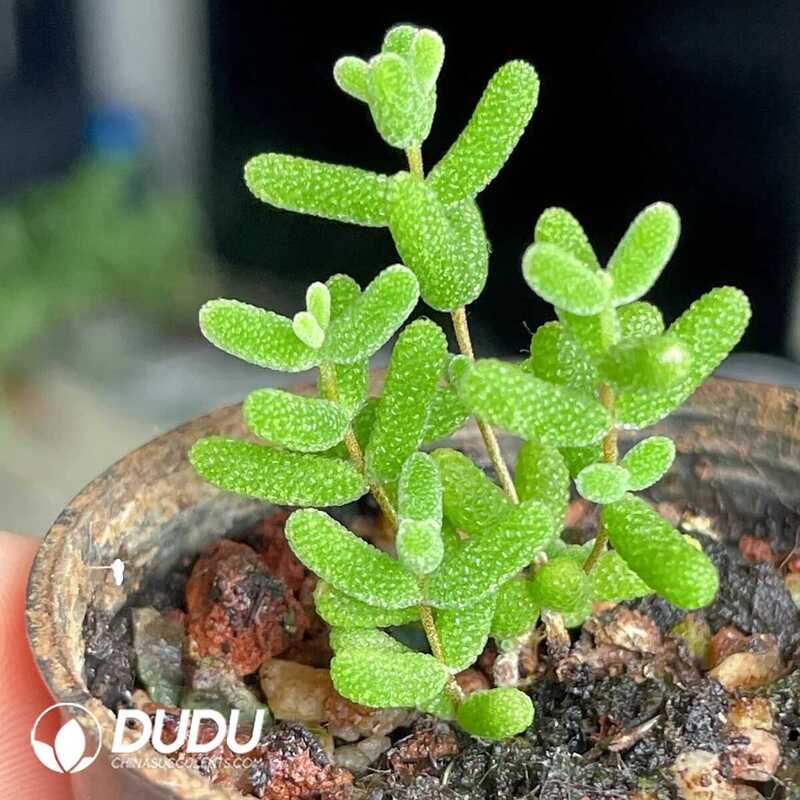
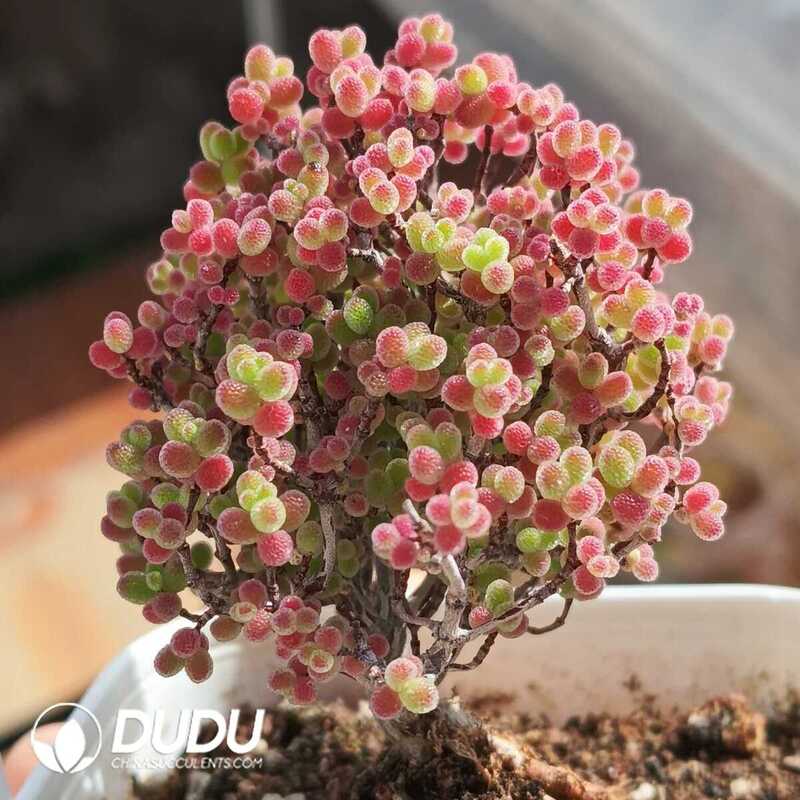
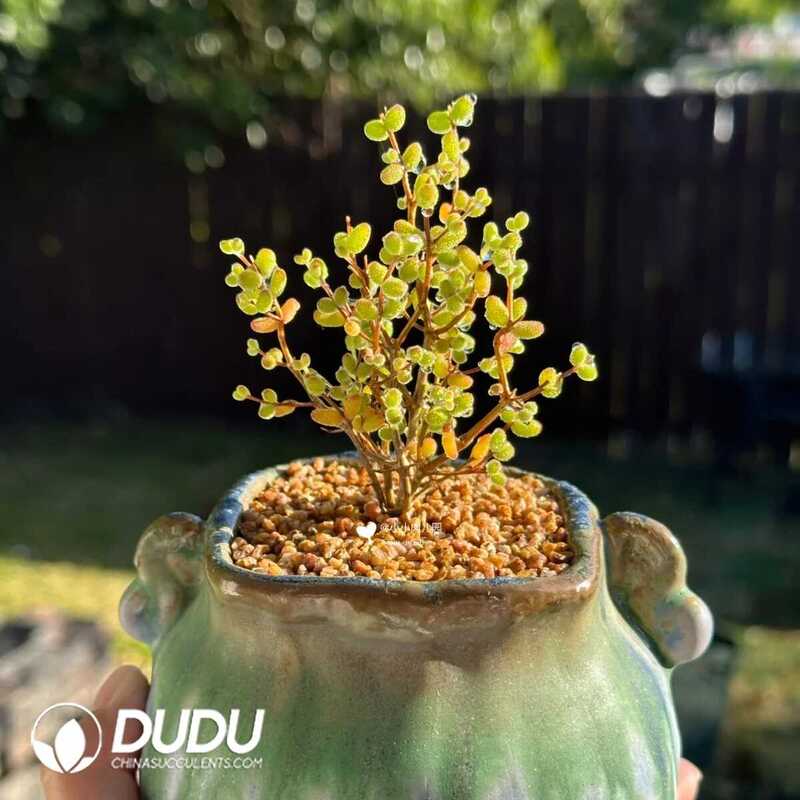
  • Key Trait: Notable for its low, spreading habit and leaves covered in shiny, reflective bladder cells that sparkle in the light (“ice plant”).

  • Habitat: Native to arid, sunny plains and slopes of South Africa.

  • Note: An excellent choice for sunny, dry gardens or hanging baskets where its trailing growth and bright flowers can be showcased.


☀️ Light & Temperature

  • Light Needs: Requires very bright light. Acclimated plants thrive in PPFD 500–900 (≈ 40–80k lux).

  • Etiolation Risk: PPFD < 100 for prolonged periods leads to weak, leggy growth.

  • Sunburn Risk: Leaf temperature > 42°C or sudden exposure to > 800 PPFD.

  • Seasonal Rhythm:

    • Active Growth (Autumn to Spring): Prefers cool to moderate temperatures (10–25°C). Provide maximum sunlight.

    • Summer Dormancy: Growth ceases. Keep in a hot, dry, and brightly shaded location with excellent airflow. No water.


💧 Watering & Substrate

  • The Golden Rule: Water Strictly in Season.

    • Water only during the cool, active months (Autumn to Spring). Soak thoroughly only when the soil is completely dry.

    • Summer Dormancy: WITHHOLD ALL WATER. Even slight moisture can cause rot.

  • Soil Mix: Requires excellent drainage. Use a mineral-dominant mix (70-90% grit such as pumice or perlite).

  • Potting: Shallow, wide pots work well for their spreading habit. Ensure ample drainage. A top-dressing of gravel helps.


🌿 Fertilization & Growth Rhythm

  • Feeding: Minimal. If needed, apply a very dilute, low-nitrogen fertilizer only once at the start of the autumn growth period.

  • Growth Cycle: Governs all care.

    • Autumn: Growth resumes. Begin careful watering.

    • Winter/Spring: Peak growth and flowering period.

    • Summer: Complete dry rest. No water, no fertilizer.


✂️ Propagation

  • Stem Cuttings (Easiest): Take cuttings in early autumn. Let them callus for several days, then plant in dry, gritty mix. Water only after roots establish.

  • Seeds: Sow in autumn. Surface-sow on sterile, sandy mix. Keep lightly moist until germination.

  • Division: Established mats can be carefully divided and replanted at the beginning of the growing season.


⚠️ Troubleshooting

  • 🎨 Dull Foliage, Few Flowers → Needs more light during its active growth season.

  • 📏 Leggy, Sparse Growth → Severe light deficiency. Move to a much brighter location.

  • 💦 Soft, Mushy Stems or Leaves → Overwatering, especially in summer. Stop all water immediately. May be fatal.

  • ⚫ Black or Brown Rot at Base → Stem/root rot from moisture. Unpot, cut away all rot, dry thoroughly, and attempt to re-root.

  • 🌸 Failure to Bloom → Ensure a proper, dry summer rest and provide strong light during the autumn/winter growth phase.

  • 🪹 Cuttings Fail to Root → Often due to watering too soon or insufficient callusing. Ensure a full callus and only water after roots appear.

  • 🔥 Scorched or Shriveled Leaves → Can be sunburn from sudden exposure or extreme dehydration during active growth.

  • 🥬 Pale New Growth → Possible need for a minimal nutrient boost at the start of the growth period.


Pro Tip: Celebrate its sparkle. Provide maximum winter sun for intense iridescence and flowers, then grant it a hot, dry summer vacation. Perfect neglect during dormancy ensures its vibrant return. ✨