

Astridia (Winter Type) 🌞❄️
Astridia are hardy, shrub-forming succulents within the mesemb family, prized for their daisy-like flowers and attractive, angular foliage. As winter growers, their care revolves around a strict seasonal rhythm: active growth in cool, bright months and a completely dry, dormant rest during summer heat.
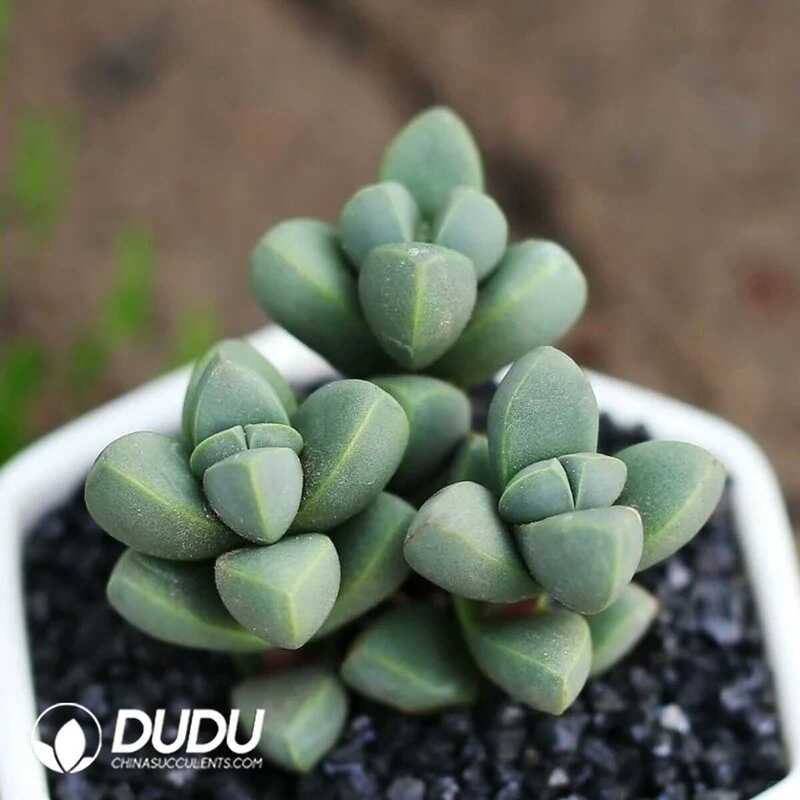
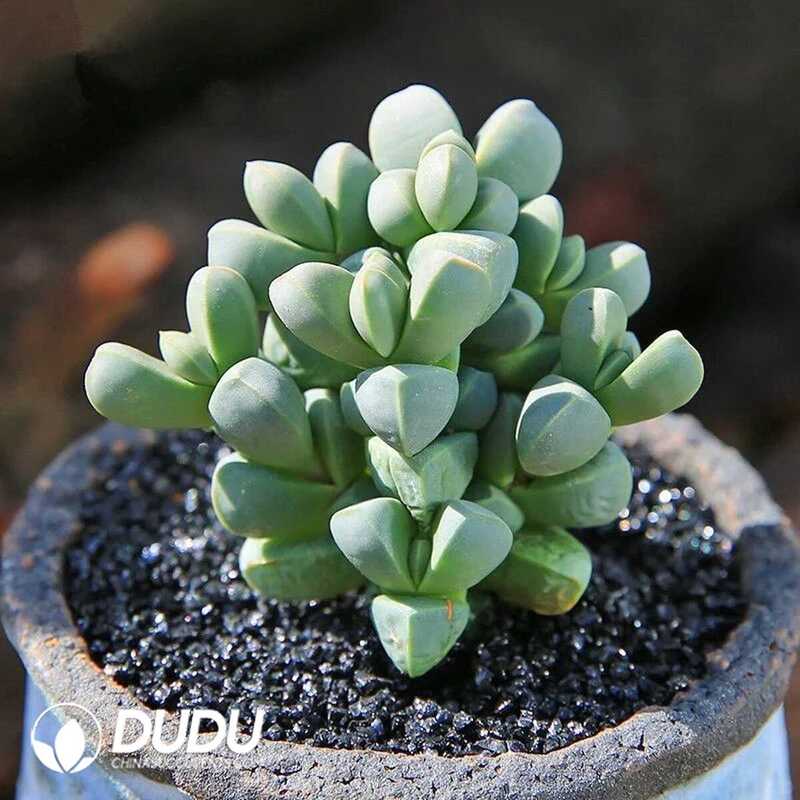
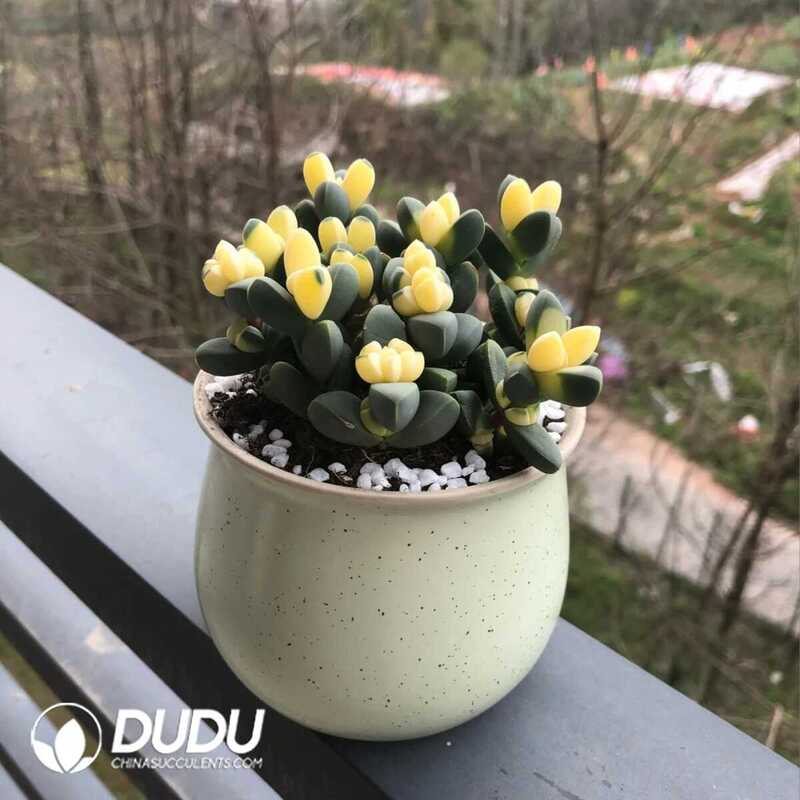
📊 Botanical Profile
-
Key Trait: Forms low, branching shrubs with three-sided, fleshy leaves. Produces prolific, colorful flowers (often yellow, pink, or white) during its growth season.
-
Habitat: Native to arid regions of South Africa, adapted to seasonal rainfall and intense sunlight.
-
Note: A rewarding mesemb for beginners due to its relatively forgiving nature and showy blooms when its seasonal cycle is respected.
☀️ Light & Temperature
-
Light Lovers: Prefers very bright light. Acclimated plants can handle PPFD 500–900 (≈ 40–80k lux) during their active season.
-
Etiolation Risk: PPFD < 100 for over 2 weeks leads to weak, sprawling growth.
-
Sunburn Risk: Leaf temperatures > 42°C or sudden exposure to > 800 PPFD.
-
Seasonal Cycle (Key to Success):
-
Active Growth (Autumn to Spring): Thrives in cool conditions, 10–25°C. Provide maximum sunlight.
-
Summer Dormancy: Growth stops. Keep hot, dry, and shaded. Provide bright shade and maximum airflow.
-
-
Care Tip: Maximize winter sun exposure. In summer, protect from intense noon sun and prioritize ventilation.
💧 Watering & Substrate (Seasonal Rules)
-
The Golden Rule: Water with the Seasons.
-
Water ONLY during cool, active months (Autumn to Spring). Soak thoroughly only when the substrate is 100% dry.
-
Summer (Dormancy): ABSOLUTELY NO WATER. Even a small amount can cause rot.
-
-
Soil Mix: Requires excellent drainage. Use a mineral-dominant mix (70-90% grit like pumice or perlite).
-
Potting: Breathable clay pots are ideal. Ensure ample drainage holes. A top-dressing of gravel helps keep stems dry.
🌿 Fertilization & Growth Rhythm
-
Feeding: Very minimal. If needed, apply a ¼-strength, low-nitrogen fertilizer only once at the start of the autumn growth period.
-
Growth Rhythm: This dictates everything.
-
Autumn: New growth begins. Commence careful watering.
-
Winter & Spring: Peak growth and flowering. Water when dry.
-
Summer: Complete rest. No water, no fertilizer.
-
✂️ Propagation
-
Stem Cuttings: The easiest method. Take cuttings in early autumn, let them callus for a week, then plant in dry, gritty mix. Wait for roots before watering lightly.
-
Seeds: Sow in autumn. Surface-sow on sterile, sandy mix. Keep lightly moist and warm (18-24°C) until germination.
-
Division: Mature clumps can be carefully divided and repotted at the beginning of the growth season.
⚠️ Troubleshooting
-
🎨 Faded Color, Lack of Flowers → Needs more light during its active winter growing season.
-
📏 Leggy, Weak Stems → Insufficient light. Move to a much brighter location during its growth period.
-
💦 Soft, Mushy Leaves/Stems → Overwatering, especially during summer dormancy. This is often fatal. Stop all water immediately.
-
⚫ Black or Brown Rot at Base → Root/stem rot from moisture. Unpot, cut away all rot, dry thoroughly, and attempt to re-root in dry mix.
-
🌸 Failure to Bloom → Ensure a proper, dry summer rest and provide strong light during the autumn/winter growth phase.
-
🪹 Cuttings Fail to Root → Usually due to watering before callusing or during the wrong season. Ensure a full callus and only root at the start of the active season.
-
🔥 Brown, Scorched Leaf Tips → Can be sunburn from unacclimated exposure or fertilizer salt burn. Flush soil and provide filtered light during heatwaves.
-
🥬 Pale, Stunted New Growth → Possible micronutrient deficiency. A single, light feeding at the start of the growth period may help.
Pro Tip: Think opposite to summer growers. Its year is flipped: grow in the cool, rest in the heat. Mastering this seasonal switch is the secret to a thriving, flowering Astridia. 🔄