

Dinteranthus (Winter Type) 🪨
Dinteranthus are fascinating, stone-mimicking succulents (mesembs) known for their unique, split-paired leaves and seasonal growth cycle. As winter growers, their care is opposite to most succulents: they thrive in cool, bright conditions and require an absolutely dry summer rest. Success depends on respecting this strict seasonal rhythm.
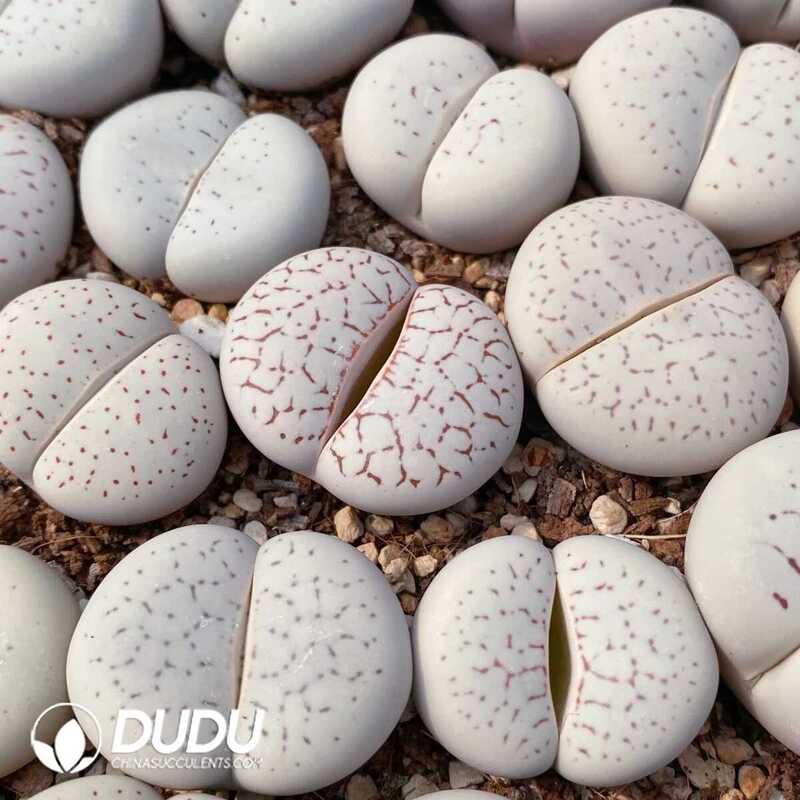
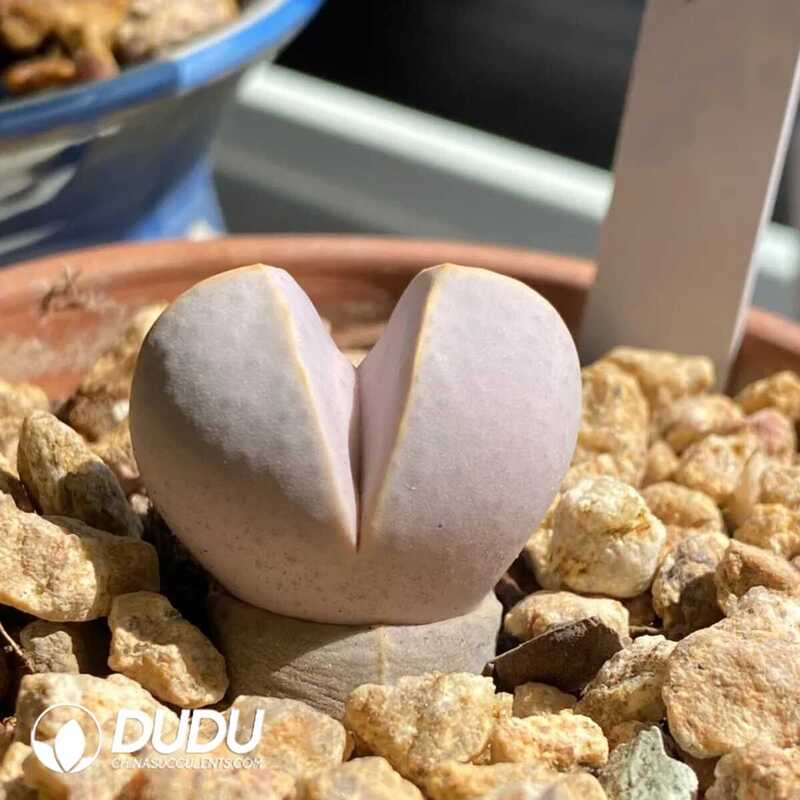
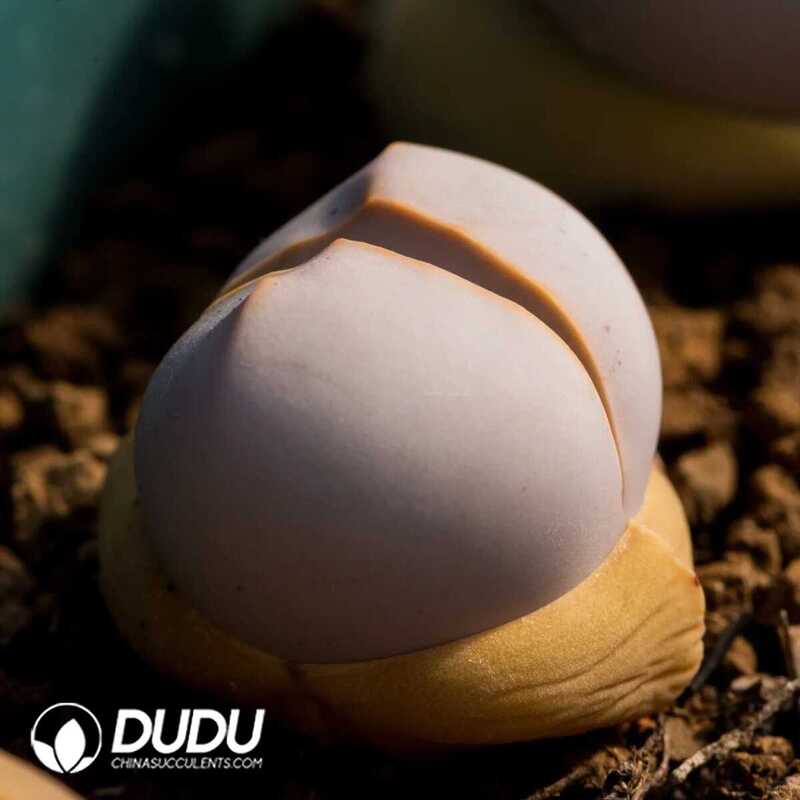
📊 Botanical Profile
-
Key Trait: Forms one or two pairs of fleshy, fused leaves that resemble small stones or pebbles (highly camouflaged).
-
Habitat: Native to arid, quartz-strewn plains of South Africa, where they blend in for protection.
-
Note: A true “living stone.” Care is highly seasonal. Disturb minimally once established.
☀️ Light & Temperature
-
Light (Active Season – Winter): Requires strong light. Acclimated plants thrive in PPFD 500–900 (≈ 40–80k lux).
-
Etiolation Risk: PPFD < 100 for extended periods causes weak, elongated growth.
-
Sunburn Risk: > 800 PPFD if unacclimated or leaf temperature exceeds 42°C.
-
Seasonal Cycle:
-
Active Growth: Autumn to Spring. Ideal temperatures: 10–25°C.
-
Summer Dormancy: Growth stops. Keep completely dry in a hot, shaded, and well-ventilated spot.
-
-
Care Tip: Provide maximum winter light. In summer, provide bright shade, intense airflow, and no water.
💧 Watering & Substrate (Season-Critical!)
-
Golden Rule: Water ONLY in Cool Months. The most common killer is summer watering.
-
Active Season Watering: Soak thoroughly only when the substrate is 100% dry and the plant shows slight wrinkling. Verify dryness with a skewer.
-
Soil Mix: Requires extremely fast drainage to prevent rot. Use 80-95% inorganic grit (pumice, coarse sand).
-
Potting: Use shallow, wide pots with excellent drainage. A top-dressing of fine gravel mimics their natural habitat.
🌿 Fertilization & Growth Rhythm
-
Feeding: Extremely minimal. A single application of a very dilute, low-nitrogen fertilizer at the start of the winter growth period is sufficient.
-
Growth Cycle: This defines all care.
-
Autumn: Growth begins. Commence light watering.
-
Winter: Peak growth and flowering period.
-
Spring: Plants prepare for dormancy. Gradually reduce watering.
-
Summer: Absolute drought. No water, hot and dry conditions.
-
✂️ Propagation
-
Seeds (Primary Method): Sow in autumn. Surface-sow on sterile, gritty mix. Requires consistent cool temperatures (15-20°C) and careful moisture management.
-
Division: Large clumps can sometimes be carefully divided at the beginning of the growth season, but this is risky. Cuttings are generally not feasible.
⚠️ Troubleshooting
-
🎨 Faded, Green Color → Needs more light during its active winter season.
-
📏 Stretched, Elongated Body → Severe lack of light during its growth period.
-
💦 Translucent, Mushy, or Burst Leaves → Overwatering, especially during dormancy. This is usually fatal. Stop all water and increase airflow immediately.
-
⚫ Black or Red Rot at Base → Fatal rot from moisture. Unpot, assess damage. If extensive, the plant cannot be saved.
-
🌸 No Flowers → Needs sufficient age, strong winter light, and a proper dry summer rest to trigger blooming.
-
🪹 Seeds Fail to Germinate → Often due to incorrect temperature (too warm) or sowing at the wrong time (sow in autumn).
-
🔥 Scorched or Sunken Patches → Sunburn during sensitive growth phases or from water droplets magnifying light.
-
🥬 Failure to Split or Shed Old Leaves → Often caused by incorrect watering timing. Old leaves should be reabsorbed as new leaves emerge in autumn/winter.
Pro Tip: Forget summer watering. Their survival strategy is to disappear into the hot, dry ground. Mimic this with a bright, dry, and hot summer rest for thriving plants. ☀️➡️💤