

Sempervivum (Summer Type) 🏔️
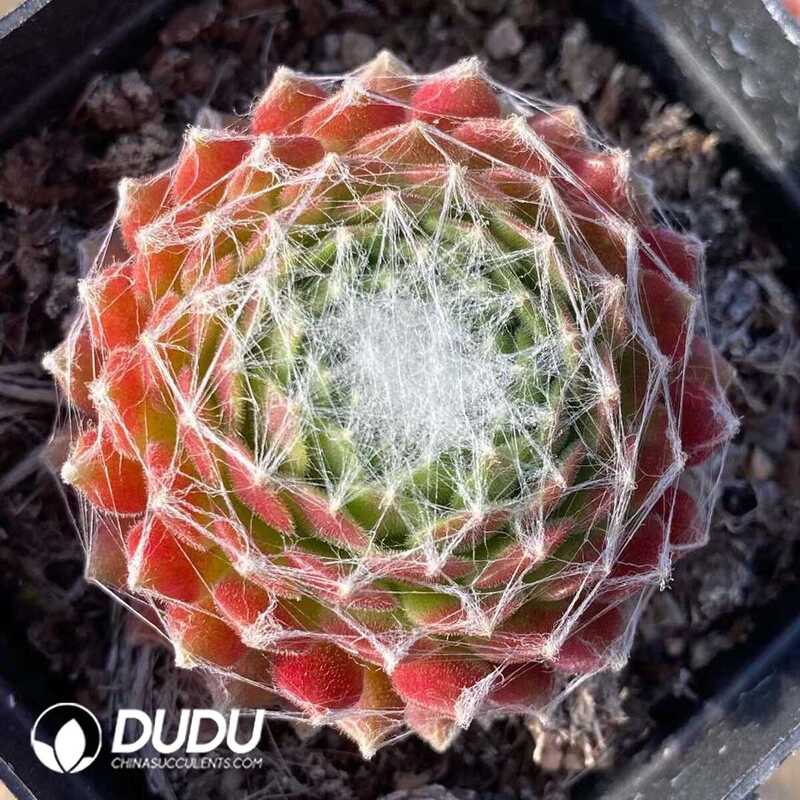
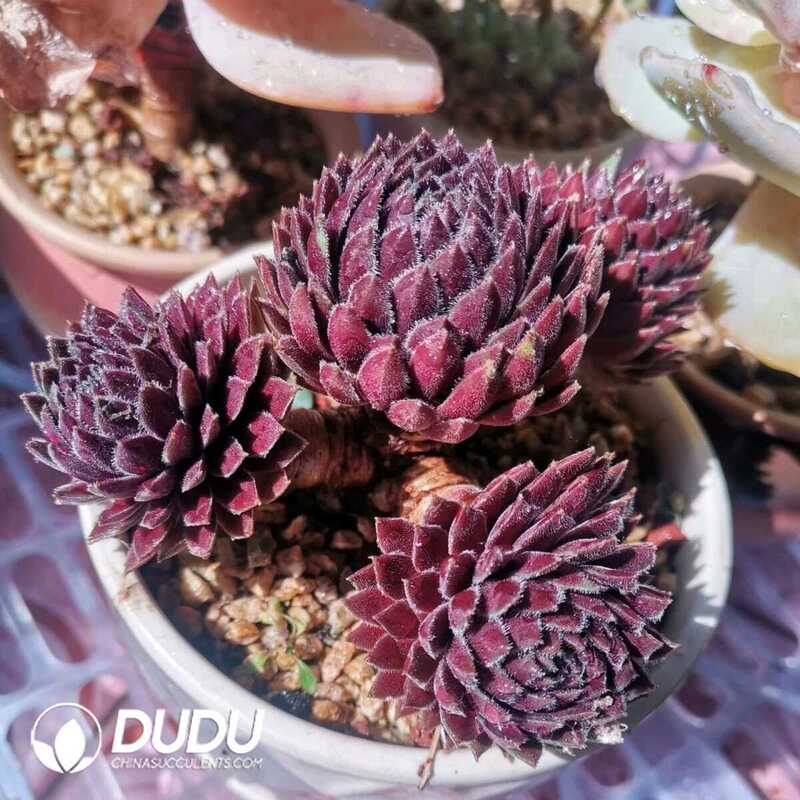
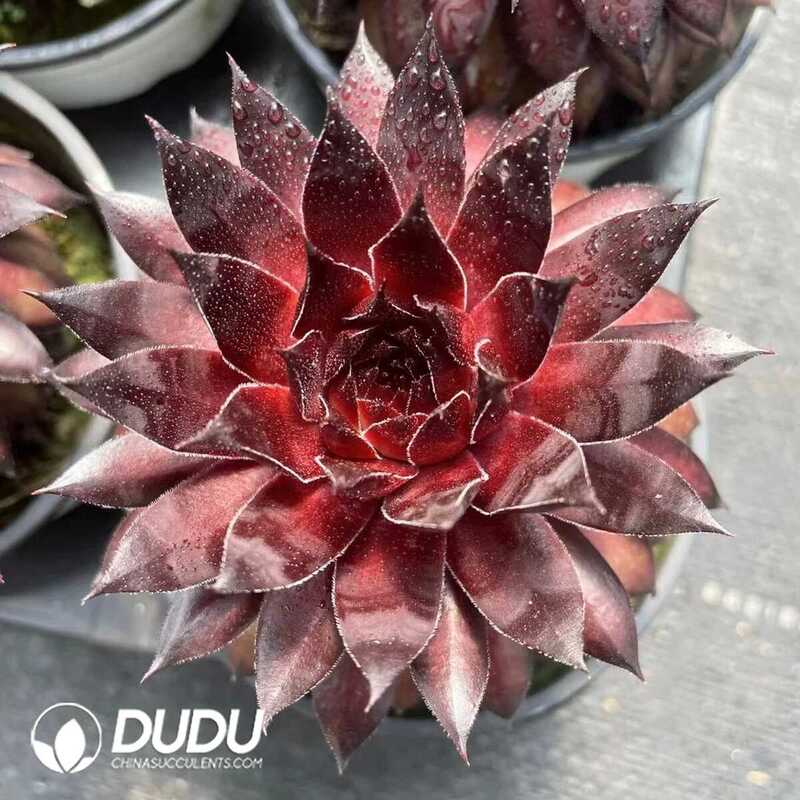
Sempervivum are exceptionally hardy, alpine succulents renowned for their perfect rosettes and vibrant, seasonal color changes. They thrive on intense light, ultra-sharp drainage, and cool temperatures, rewarding growers with prolific offsets and stunning stress colors when grown hard and exposed.
📊 Botanical Profile
-
Key Trait: Forms tight, symmetrical rosettes that propagate readily via stolons, creating dense colonies. Highly cold-tolerant.
-
Habitat: Native to mountainous regions of Europe, growing in rocky, well-draining soils.
-
Note: Monocarpic (rosettes die after flowering), but are continually replaced by offsets. Ideal for rock gardens and cold climates.
☀️ Light & Temperature
-
Ideal Light: Requires very high light. Outdoor, acclimated plants thrive in PPFD 700–1300 (≈ 55–100k lux).
-
Etiolation Risk: PPFD < 180 for extended periods.
-
Sunburn Risk: > 1200 PPFD if unacclimated.
-
Hardiness: Extremely cold-tolerant, surviving down to –15 °C (when dry). Prefers cool growth between 15–28°C.
-
Summer Care: Provide 10–14 hours of direct sun. Ensure excellent ventilation, especially in humid conditions.
💧 Watering & Substrate
-
Golden Rule: Water only when completely dry. These plants are drought-adapted and highly susceptible to rot in damp conditions.
-
Soil Mix: Requires a very gritty mix (70–95% inorganic materials like pumice, perlite). Use shallow pots for faster drying.
-
Top-Dressing: A layer of gravel or sand is highly recommended to keep the base of the rosettes dry and clean.
🌿 Fertilization & Growth Rhythm
-
Feeding: Minimal. Use a very dilute (⅛-strength), balanced fertilizer only during active spring growth. Avoid high nitrogen.
-
Growth Cycle: Most active in spring and fall. Reduce watering significantly during summer heat and winter cold.
-
Maintenance: In sterile mixes, a yearly micronutrient supplement is beneficial. Flush soil if salt buildup (brown tips) occurs.
✂️ Propagation
-
Offsets (Easiest): Simply separate the “chicks” from the mother rosette. Allow the cut end to dry for 1-3 days, then place on dry, gritty soil.
-
Seeds: Surface-sow on fine, mineral soil. Keep at cool temperatures (15–20°C) with slight moisture.
⚠️ Troubleshooting
-
Loose, open rosettes → Needs more light immediately. Reduce watering frequency.
-
Stretched center growth → Severe light deficiency. Move to a brighter location and ensure cooler nights.
-
Rotting lower leaves → Overwatering. Stop all water, increase airflow, and repot into drier, grittier media.
-
Brown or pale patches on leaves → Sunburn from too-rapid exposure. Provide temporary shade for acclimation.
-
No offset production → Increase light duration and intensity. A slightly root-bound state can encourage pupping.
-
Overall pale coloration → Possible nutrient deficiency. Apply a very light dose of trace elements.
-
Mold or fungus in winter → Caused by moisture and debris. Keep rosettes dry, remove dead leaves, and maximize ventilation.
Pro Tip: Perfect for neglectful gardeners! Provide maximum sun, poor gritty soil, and protect only from prolonged winter wetness. Their beauty lies in their tough, self-propagating nature. 🌱➡️🌱