

Cotyledon (Summer Type) 🌿
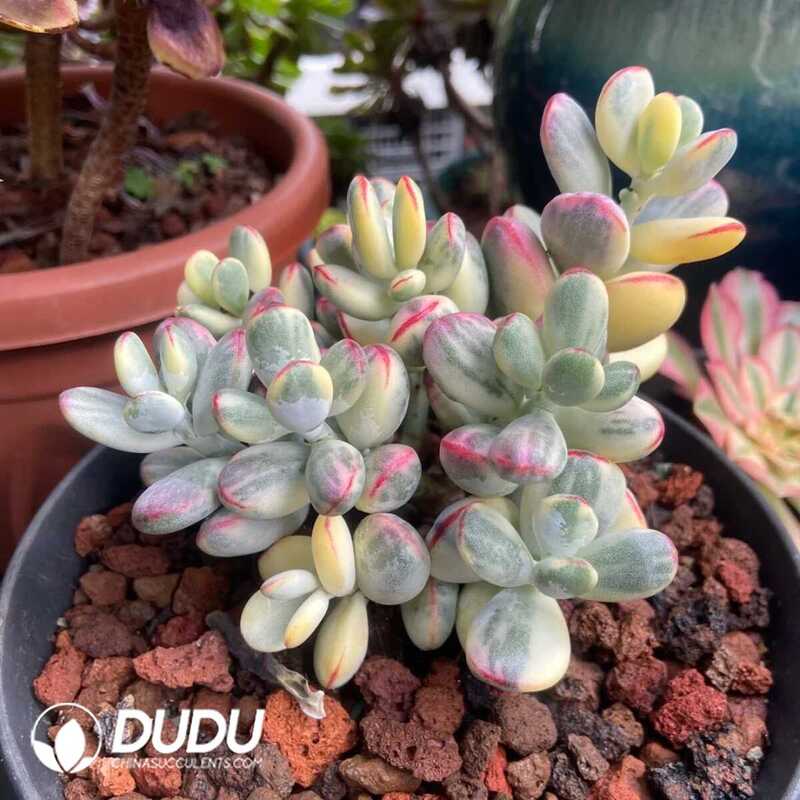
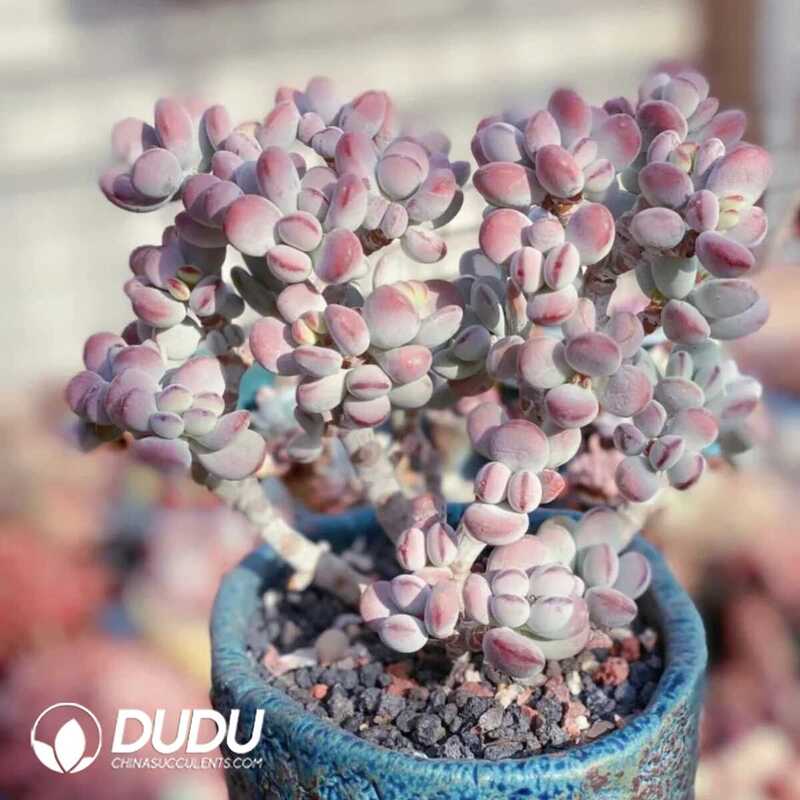
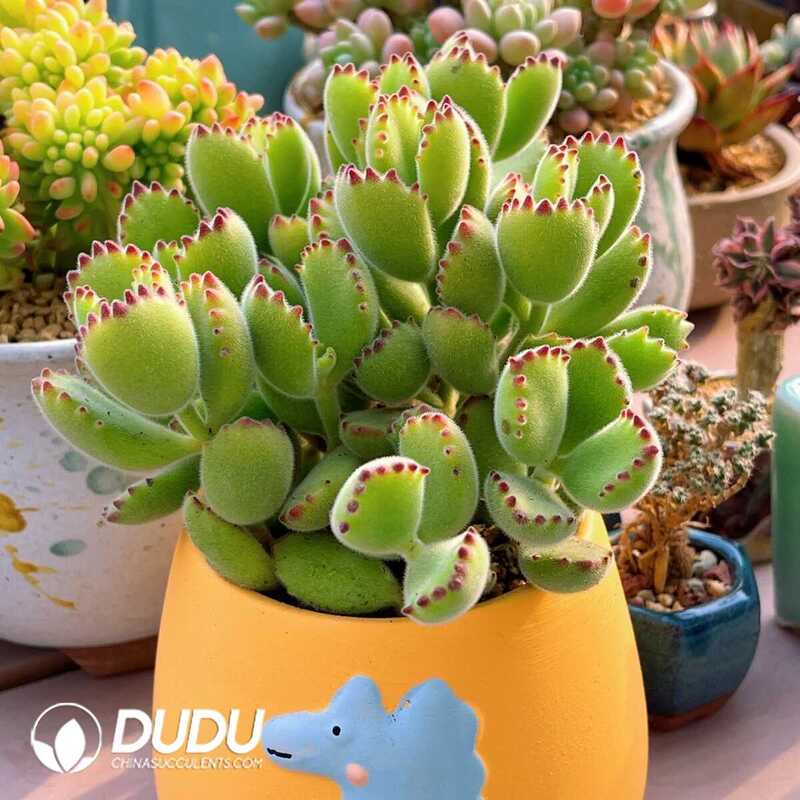
Cotyledon are robust, shrub-forming succulents prized for their sculptural shapes, often with beautifully curved and colorful leaves. As summer-dormant growers, they thrive under intense light, perfect drainage, and minimal water, reaching their peak form and dramatic stress colors when grown hard and dry.
📊 Botanical Profile
-
Key Trait: Features fleshy, often paddle-shaped or tubular leaves that can develop vibrant red, orange, or purple margins under strong light. Many develop thick, woody stems over time.
-
Habitat: Native to arid, rocky slopes and scrublands with excellent drainage.
-
Note: A diverse genus; growth habit ranges from compact shrubs to small, branching trees. Caution: Some species are toxic if ingested.
☀️ Light & Temperature
-
Ideal Light (Indoor): PPFD 150–400 (≈ 12–35k lux).
-
Ideal Light (Acclimated Outdoor): PPFD 400–800 (≈ 30–70k lux).
-
Etiolation Risk: PPFD < 120 for over 2 weeks leads to weak, stretched growth.
-
Sunburn Risk: PPFD > 700 for unacclimated plants, especially in stagnant air.
-
Optimal Range: 15–28°C for vigorous growth.
-
Tolerance: Can survive brief, dry frosts near 0–5°C. Tolerates heat up to 35–38°C only with excellent ventilation.
-
Summer Dormancy: Growth slows above 30°C. Provide bright light with protection from the most intense afternoon sun and ensure strong airflow.
💧 Watering & Substrate
-
**Golden Rule: Soak Deeply, Then Desert-Dry. Water thoroughly only when the substrate is 100% completely dry. Always verify with a weight check or dry skewer. They are highly drought-tolerant.
-
Soil Mix: Requires fast-draining, mineral-based soil. Use 70–90% inorganic grit (pumice, perlite, lava rock) with 2–6 mm particle size. Target pH 6.0–7.2.
-
Potting: Breathable terracotta pots are highly recommended. Ensure large drainage holes. A top-dressing of gravel helps keep stems dry and improves stability.
🌿 Fertilization & Growth Rhythm
-
Feeding: Light & Infrequent. Use a ¼-strength, low-nitrogen fertilizer only during active growth in spring and autumn. Avoid feeding in summer (dormancy) and winter.
-
Growth Cycle: Main growth occurs in cooler months. Watering should be significantly reduced or stopped during the hot summer dormancy and cool winter rest.
-
Maintenance: Flush the substrate once or twice a year to prevent fertilizer salt buildup, which can cause leaf tip burn.
✂️ Propagation
-
Stem Cuttings (Easiest): Take cuttings, allow ends to callus for a week or more, then plant in dry, gritty mix. Wait to water until roots form.
-
Leaf Cuttings: Possible for some species. Let leaves callus fully before placing on dry medium.
-
Seeds: Surface-sow onto sterile, well-draining mix. Requires patience and consistent warmth (18–24°C).
⚠️ Troubleshooting
-
🎨 Dull, Green Foliage → Needs more light. Gradually increase exposure to promote compact form and vibrant stress colors.
-
📏 Leggy, Weak Stems → Severe light deficiency. Move to a much brighter location immediately.
-
💦 Soft, Wrinkled, Dropping Leaves → Overwatering. Stop all water. Check for root rot. Increase airflow and repot into dry mix if needed.
-
⚫ Black or Mushy Stems → Stem rot. Act fast. Cut well above the rot with a sterile tool. Let the cutting dry for 1-2 weeks, then re-root.
-
🌸 No Flowers → Requires maturity, a tight root zone, and exposure to cooler, drier periods to trigger blooming.
-
🪹 Cuttings Fail to Root/Rot → Usually caused by watering too soon or insufficient callusing. Ensure full callus and keep the medium dry.
-
🔥 Brown or Scorched Leaf Tips → Can be from fertilizer salt burn or sudden intense sun. Flush soil and acclimate gradually to stronger light.
-
🥬 Pale New Growth → May indicate a need for light feeding during the active growing season.
Pro Tip: Treat them mean, keep them keen. Maximum sun, gritty soil, and infrequent water produce the most stunning, sculptural forms and intense colors. 🎨