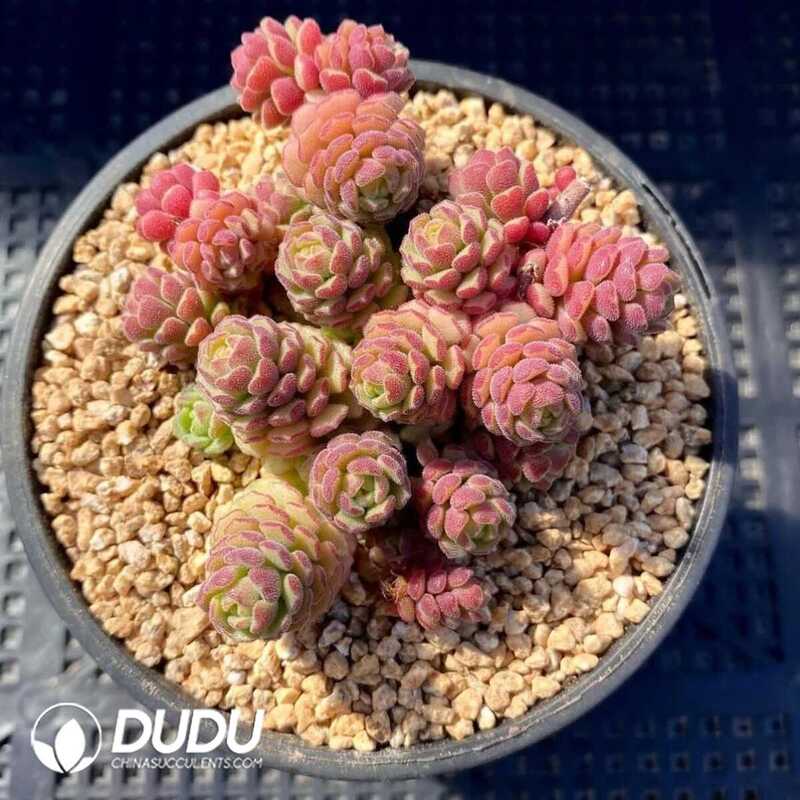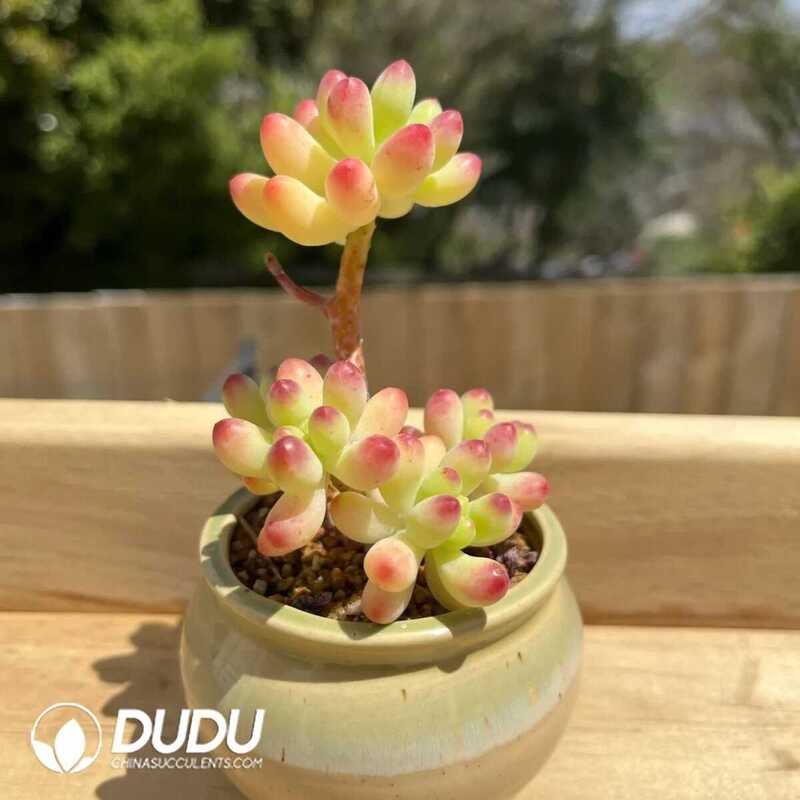

Sedum (Spring & Autumn Type) 🌿
Sedum is a remarkably diverse and resilient genus, ranging from ground-hugging mats to upright rosettes. They thrive on strong light, excellent drainage, and a clear soak-and-dry cycle, with most vibrant growth occurring in the mild seasons of spring and autumn.
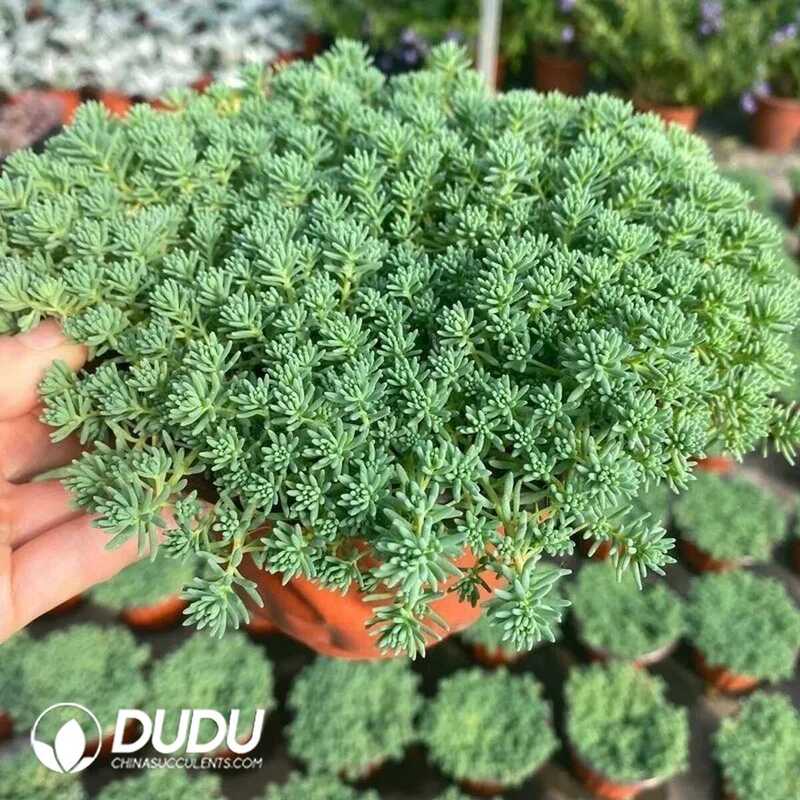
📊 Botanical Profile
-
Key Traits: Extremely variable forms. Leaves are typically fleshy and water-storing. Many species exhibit excellent cold hardiness compared to other succulents.
-
Habitat: Adapted to a wide range of well-draining environments, from rocky outcrops to sandy soils.
-
Note: Includes both low-growing “stonecrops” and taller “showy stonecrops.” Growth habit is key to identification and care spacing.
☀️ Light & Temperature
-
Ideal Light (Indoor): PPFD 150–400 (≈ 12–35k lux).
-
Ideal Light (Acclimated Outdoor): PPFD 400–800 (≈ 30–70k lux).
-
Stretching Warning: PPFD < 120 sustained for 2+ weeks.
-
Sunburn Risk: PPFD > 700 on unacclimated plants + stagnant air.
-
Best Growth: 15–28°C.
-
Exceptional Hardiness: Many species tolerate brief frosts down to -5°C or lower when dry. Maximum heat tolerance is 35–38°C (with airflow).
-
Seasonal Care: Provide 6-10 hours of direct sun. They enjoy cool nights in autumn to enhance color. Ensure good airflow year-round.
💧 Watering & Substrate
-
The Golden Rule: Soak & Dry. Water thoroughly only when the substrate is completely dry. Verify by pot weight or a dry skewer.
-
Perfect Soil Mix: 60–90% inorganic grit (pumice, perlite, lava rock) with 2-6mm particle size. pH 6.0–7.2. Faster drainage is better.
-
Pot Choice: Breathable pots are ideal. For spreading types, shallow, wide containers work well. Ensure excellent drainage.
🌿 Fertilization & Growth Rhythm
-
Feeding: Lightly. Use a ¼-strength balanced or low-nitrogen fertilizer only during active growth in spring and autumn.
-
Growth Cycle: Primary growth and flowering occur in mild weather. Reduce watering significantly during summer heat and winter cold when growth slows.
-
Maintenance: Occasional flushing of the soil helps prevent salt buildup, especially in pots.
✂️ Propagation
-
Extremely Easy! Stem or leaf cuttings root readily. Allow cuttings to callus for a few days, then place on or in dry, gritty mix.
-
Division: Clumping types can be simply divided and replanted.
-
Seeds: Surface-sow on sterile, well-draining mix. Keep lightly moist and warm (18–24°C).
⚠️ Troubleshooting Quick List
-
😐 Faded, Green Color → Needs more light. Gradually increase exposure to restore stress colors (reds, purples).
-
📏 Leggy, Stretched Growth → Severe light deficiency. Move to a much brighter location immediately.
-
💦 Soft, Mushy Stems/Leaves → Overwatering. Stop all water. Increase airflow. If severe, take healthy cuttings and restart.
-
⚫ Black Rot at Base → Emergency action. Unpot, cut well above rot with a sterile tool, let cutting dry, and re-root.
-
❌ Lack of Flowers → Ensure plants receive direct sun and experience the seasonal temperature drop of autumn.
-
🪹 Cuttings Not Rooting → Usually due to overwatering the media. Ensure it is barely moist and provide warmth (20-24°C).
-
🔥 Brown or Crispy Leaf Tips → Can be from fertilizer salt burn or intense dry heat. Flush soil and provide afternoon shade in peak summer.
-
🥬 Pale, Weak New Growth → Possible micronutrient deficiency. Apply a dilute trace element supplement.
Success Mantra: Plenty of sun + gritty, poor soil + neglectful watering. They are tough plants that thrive with a hands-off approach. 💪